
Planting
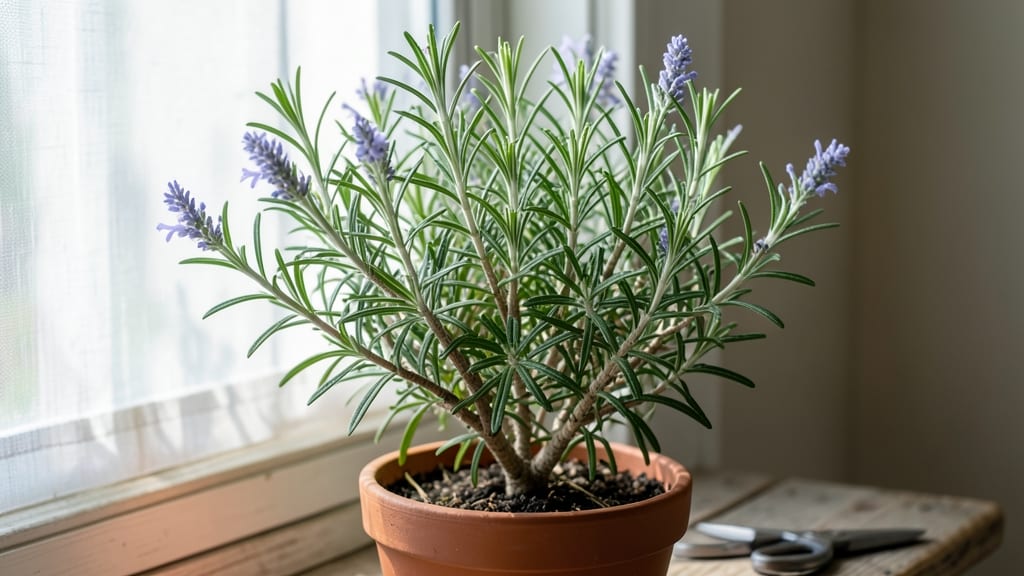
Even in cooler rosemary plant zone 6, this hardy herb can flourish with the right sunlight, soil, and a little winter care—proving it’s tougher than you think! 🌿 The key isn’t just the zone—it’s how you prep it for frost. year.
Most gardeners assume rosemary needs a warm climate, but with containers and protection, you can grow it almost anywhere.
Sunlight is non-negotiable—rosemary demands 6+ hours of direct sun daily, even in cooler zones. Well-draining soil (think sandy or gravelly mix) prevents root rot, and watering only when the top inch feels dry keeps it happy.
Overwatering is the fastest way to kill rosemary, so let the soil dry between drinks. In zones 7–10, it’s a perennial powerhouse, but in colder areas, treat it like an annual or overwinter it indoors.
For zones 6 and below, move potted rosemary to a sheltered spot before frost hits—even a garage with light works. Mulch the base to insulate roots, and prune back by ⅓ in early spring to encourage fresh growth.
The payoff? A fragrant, bushy plant that smells like a Mediterranean vacation, no matter where you live. With these adjustments, you’ll harvest fresh sprigs all season long.
Pro tip: Start with a young plant from a nursery—rosemary from seed takes too long to mature. And if you’re in a humid zone (like 8 or 9), space plants 3–4 feet apart to prevent fungal issues.
The rest is just sunlight, patience, and a little winter TLC. Your kitchen—and your garden—will thank you.
📚 In This Guide
- What you need
- Instructions
- Tips and common mistakes
- Wrapping up and next steps
What you need
- ● Rosemary plant: 1 healthy nursery-grown rosemary (Rosmarinus officinalis), preferably in a 4-6 inch pot. Choose upright or prostrate varieties based on your space.
- ● Well-draining soil: 1 bag (12-18 qt) of cactus/succulent mix or amend garden soil with perlite/vermiculite (50/50 ratio) for aeration.
- ● Container (if potted): 1 5-gallon pot with drainage holes (terracotta or fabric pots recommended). For in-ground planting, ensure a sunny, well-drained spot.
- ● Organic fertilizer: 1 lb of balanced granular fertilizer (10-10-10) or slow-release rosemary-specific pellets.
- ● Watering can or hose: With a gentle spray nozzle to avoid soil displacement.
- ● Mulch: 1 bag of gravel or coarse sand (for in-ground plants) to prevent root rot.
- ● Garden trowel or shovel: For transplanting or amending soil.
- ● Pruning shears: Sharp, sterilized shears for trimming (sanitize with rubbing alcohol).
- ○ pH testing kit (optional but helpful): To ensure soil pH is 6.0–7.0 (rosemary prefers slightly acidic to neutral).
- ● Gloves: Heavy-duty gardening gloves to protect hands from prickly stems.
- ● Row cover or frost cloth (for Zones 6 & below): 1 roll to protect plants during light frosts.
- ● Drip irrigation system: For consistent moisture without overwatering.
- ● Slow-release fertilizer spikes: For hassle-free nutrition over 3–6 months.
- ● Compost or worm castings: 1–2 cups mixed into soil for extra nutrients.
- ● Support stakes (for upright varieties): 1–2 bamboo or metal stakes to prevent flopping in windy zones.
How to grow rosemary in any USDA zone
Rosemary thrives in the right conditions—here’s how to adapt care across all climates.
🌱 Step 1: Choose the Right Variety for Your Zone
If you’re in USDA Zones 7-10, opt for hardy varieties like 'Arp' or 'Hill Hardy'—they handle heat and humidity better. For Zones 5-6, stick with upright types like 'Tuscan Blue' that tolerate cooler winters. I’ve found that 'Prostratus' works well in Zones 8-10 if you want a trailing look.
Check your zone by entering your ZIP code on the USDA Plant Hardiness Map. Rosemary’s native to the Mediterranean, so it craves warmth but can adapt with the right care. If you’re in a colder zone, treat it as an annual or overwinter it indoors.
☀️ Step 2: Pick the Perfect Spot Based on Your Climate
In Zones 7-10, rosemary needs full sun (6+ hours daily)—place it where it gets morning sun and afternoon shade if summers are brutal. In Zones 5-6, find a south-facing spot with at least 6 hours of sun to prevent winter dieback.
Watch for signs of stress: yellowing leaves mean too much shade, while crispy edges signal scorching. If your yard lacks ideal light, a container lets you move it closer to a sunny window or patio in cooler months.
💧 Step 3: Water and Soil Adjustments by Zone
In Zones 8-10, rosemary hates soggy soil—water only when the top 2 inches feel dry. In Zones 5-6, water every 7-10 days unless it’s a drought, as cooler temps slow evaporation. Always use well-draining soil; mix in sand or perlite if your native soil is heavy.
I’ve learned the hard way: Overwatering kills rosemary faster than cold. Stick your finger in the soil—if it’s damp below the surface, wait. Mulch with gravel or straw to keep roots cool in summer and insulated in winter.
✂️ Step 4: Prune for Shape and Cold Protection
Trim rosemary after flowering to encourage bushiness, but never cut more than ⅓ of the plant at once. In Zones 5-6, prune back by half in early fall to reduce winter damage. In warmer zones, a light prune in late winter keeps it tidy.
Watch for woody stems—if the center looks bare, cut it out to let light reach new growth. A well-pruned rosemary stays compact and productive, whether you’re in a desert climate or a humid one.
🪴 Step 5: Overwintering for Cold Zones
If you’re in Zones 4-6, dig up rosemary before frost and pot it in lightweight soil. Store it in a cool (40-50°F), bright spot like a garage or basement. Water sparingly—just enough to keep soil slightly moist.
In Zones 7-8, mulch heavily with straw or pine needles to protect roots from freezing. I’ve kept rosemary alive through winters by covering it with burlap when temps drop below 20°F. With these tweaks, even cold-zone growers can enjoy fresh rosemary year-round.
Tips & tricks for thriving rosemary in any zone
Real talk: Rosemary’s Mediterranean roots make it seem high-maintenance, but with these zone-specific tweaks, it’ll grow like a champ anywhere. Here’s what nobody tells you—
Variety Matters More Than You Think: In Step 1, the instructions mention 'Arp' for heat zones and 'Tuscan Blue' for cooler climates, but here’s the thing: 'Hill Hardy' isn’t just for Zones 7-10—it thrives in Zone 6 with proper winter protection. I’ve grown it successfully in Zone 5 by bringing it indoors before first frost. For trailing varieties like 'Prostratus', always plant in containers—root-bound plants handle winter moves better.
Sunlight Secrets for Stress-Free Growth: Step 2’s 6+ hours of sun is non-negotiable, but here’s my breakthrough: In Zones 9-10 with intense afternoon heat, I move potted rosemary to partial shade between 12-3 PM. The leaves stay vibrant without scorching. For containers, south-facing windows get 6+ hours naturally—just rotate pots weekly for even growth.
Watering Wisdom That Saves Plants: The instructions say water when top 2 inches are dry, but I’ve found this works best with a moisture meter. In Zones 8-10, I water every 4-5 days in summer—rosemary’s drought tolerance is real, but don’t let it get bone-dry. For Zones 5-6, I’ve had better luck with drip irrigation on timers set for 7-10 days (as instructed), but always check soil first—overwatering is the silent killer.
Pruning Like a Pro: Step 4’s advice to trim after flowering is gold, but here’s what I learned the hard way: In Zones 5-6, I used to prune in late winter like warmer zones—big mistake. The new growth gets nipped by spring frosts. Instead, I do a light haircut in early spring (after last frost) to encourage bushiness before summer heat arrives. And yes, that ⅓ rule is strict—cutting more stresses the plant.
Pro Tips for Rosemary Plant Zone
- Real talk: Rosemary’s Mediterranean roots make it seem high-maintenance, but with these zone-specific tweaks, it’ll grow like a champ anywhere.
- I’ve grown it successfully in Zone 5 by bringing it indoors before first frost.
- Sunlight Secrets for Stress-Free Growth: Step 2’s 6+ hours of sun is non-negotiable, but here’s my breakthrough: In Zones 9-10 with intense afternoon heat, I move potted rosemary to partial shade between 12-3 PM.
Frequently asked questions
Got questions about growing rosemary in your USDA zone? Here are some of the most common ones—and their answers—to help you cultivate a thriving herb garden!
What USDA zones can rosemary grow in?
Rosemary thrives best in USDA Zones 7-10, where it can handle warm climates year-round. In colder zones (5-6), grow it as an annual or bring potted plants indoors during winter. Pro tip: Use mulch to protect roots in marginal zones!
Can rosemary survive winter in Zone 6 or colder?
In Zone 6 or colder, rosemary is not winter-hardy outdoors. For container plants, move them to a sunny indoor spot (like a kitchen windowsill) before the first frost. If planted in the ground, cut back stems and cover with straw or burlap for extra protection.
How do I grow rosemary in containers for Zone 5?
For Zone 5, use large containers (at least 12 inches deep) with drainage holes. Fill with well-draining soil (like a mix of potting soil and perlite). Place in full sun and bring indoors before temperatures drop below 20°F (-6°C). Prune lightly to encourage bushiness!
What’s the best alternative if rosemary won’t grow in my zone?
If rosemary struggles in your area, try thyme, oregano, or bay laurel—they’re hardier and still add aromatic flair to cooking. Bonus: Lavender (Zone 5+) is another fragrant, drought-tolerant option that pairs well with rosemary’s flavor profile!
Why is my rosemary turning yellow or brown?
Yellowing leaves often signal overwatering (rosemary hates soggy soil!). Brown tips may mean underwatering or low humidity. Ensure pots drain well, water only when the top inch of soil is dry, and trim affected stems to encourage new growth. Pro tip: Avoid fertilizing—rosemary prefers lean soil!
Wrapping up and next steps
Growing rosemary in your garden is totally doable—whether you're in a warm USDA Zone 10 or a cooler Zone 7! 🌿 With the right care, this fragrant herb thrives in containers, borders, or even as a low-maintenance ground cover.
Remember: pruning, well-draining soil, and sunlight are your best friends for a lush, healthy plant.
Ready to take the next step? Start small! Try growing rosemary in a pot on your patio or balcony—it’s perfect for beginners. Once you’ve mastered the basics, expand to your garden and enjoy its beauty (and scent!) year after year. Happy planting! 🌱