
Picking
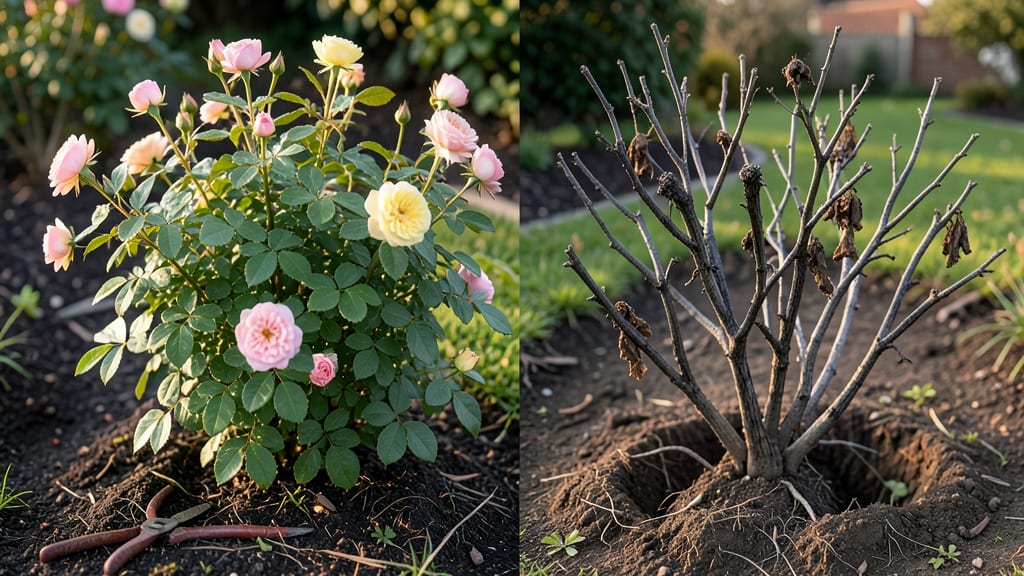
Your roses might still have life when they look completely dead—here’s how to tell for sure. 🌹 I’ve seen "dead" roses bounce back after heavy pruning, and the key is checking beyond what meets the eye.
Start by looking for green anywhere: buds, shoots, or even hidden canes beneath the soil. The first test is simple: bend a stem. If it snaps cleanly like dry kindling, it’s dead. But if it bends slightly or has any green under the bark, there’s hope.
Next, dig around the base—healthy roots smell earthy and feel moist, while dead roots are mushy or crumbly. Even if the top looks gone, new growth often hides below the soil. Prune back all dead wood to just above a bud, then water deeply.
If you see fresh shoots in 2-3 weeks, your roses are still alive and ready to thrive. Don’t give up yet—many "dead" roses just need a chance to regrow. If nothing happens after a month, it’s time to replant. But in my experience, roses are tougher than they look!
Root Causes Of Rose Decline
Roses are resilient, but even the hardiest varieties can succumb to stress or disease—leaving you staring at what looks like a lifeless plant. Understanding why your roses might appear dead is the first step to reviving them (or knowing when to say goodbye).
Below, we break down the most common reasons roses "die," from hidden pests to environmental extremes, with the science behind each.
Roses thrive in moderate climates, but prolonged exposure to extreme heat or cold can halt growth and mimic death. Here’s how it happens:
- Cold Damage (Freeze Injury):
- When temperatures drop below 20°F (-7°C), rose cells rupture due to ice crystal formation, disrupting water transport. Symptoms: Blackened canes, mushy stems, or delayed spring growth.
- Actionable fix: Mulch heavily in winter (4–6 inches of straw or shredded leaves) to insulate roots. Choose cold-hardy varieties (e.g., 'Dr. Huey' or 'Knock Out' roses) if you live in Zone 5 or colder.
- Heat Stress (Desiccation):
- Temperatures above 90°F (32°C) cause roses to transpire faster than they can absorb water, leading to wilting and leaf scorch. Over time, this stresses the plant’s vascular system.
- Actionable fix: Water deeply in the early morning (1–1.5 inches per week) and use shade cloth (30–50% coverage) during peak sun. Avoid overhead watering to prevent fungal issues.
Too much or too little water can silently kill roses by disrupting their root systems. Here’s the breakdown:
- Overwatering (Root Rot):
- Roses need well-draining soil. If water pools around roots, Phytophthora fungi or Pythium thrive, rotting roots and cutting off nutrient flow.
- Signs: Yellowing leaves, soft black stems, or a foul smell at the base.
- Actionable fix: Amend clay soil with compost or perlite. Install a French drain if your garden has poor drainage. Let soil dry 1–2 inches deep between waterings.
- Underwatering (Drought Shock):
- Roses wilt dramatically when roots can’t access moisture, but chronic underwatering leads to permanent cell damage in canes and leaves.
- Signs: Crispy leaf edges, canes that snap easily, or a "hollow" sound when tapping stems.
- Actionable fix: Install drip irrigation or soaker hoses to deliver water slowly at the root zone. Mulch with wood chips to retain moisture.
Some "dead" roses are actually overrun by unseen invaders or infected by pathogens. These culprits drain energy and block nutrient uptake:
- Japanese Beetles & Rose Slugs:
- Adult beetles and larvae skeletonize leaves and chew canes, while rose slugs (sawfly larvae) create webbed nests that suffocate buds.
- Signs: Jagged leaf holes, sawdust-like frass (insect waste), or wilting despite adequate water.
- Actionable fix: Handpick beetles into soapy water. Apply neem oil or Bt (Bacillus thuringiensis) for larvae. Prune and destroy infested growth.
- Black Spot Fungus (Diplocarpon rosae):
- This fungus clogs stomata (leaf pores), preventing gas exchange and causing leaves to drop prematurely. Over time, the rose weakens and may appear "dead."
- Signs: Black spots with yellow halos, defoliation, and stunted canes.
- Actionable fix: Remove infected leaves immediately. Spray with copper fungicide or baking soda mix (1 tbsp baking soda + 1 quart water + a drop of dish soap) every 7–10 days.
- Rose Rosette Virus (RRV):
- Spread by microsphaera moths, this virus causes excessive thorn growth, red foliage, and distorted canes. Infected roses cannot be saved—dig them up and destroy them to prevent spread.
- Signs: Witches’-broom-like growth, brittle canes, and stunted blooms.
- Actionable fix: Remove the entire plant (including roots) and disinfect tools with rubbing alcohol. Plant resistant varieties like 'Knock Out' roses in the same area.
Roses are heavy feeders, and poor soil health can starve them into dormancy—or worse, death. Common deficiencies include:
| Deficiency | Symptoms | Cause | Fix |
|---|---|---|---|
| Nitrogen (N) | Pale yellow leaves, stunted growth | Poor soil organic matter or over-pruning | Apply balanced fertilizer (e.g., 10-10-10) in early spring. Top-dress with compost. |
| Phosphorus (P) | Dark green leaves, weak roots, few blooms | Compacted or alkaline soil (pH > 7.0) | Add bone meal or rock phosphate. Test soil pH and amend with sulfur if needed. |
| Potassium (K) | Yellow leaf edges, weak stems, disease susceptibility | Leaching or overwatering | Use potassium sulfate or wood ash. Avoid excessive potassium chloride (harms soil microbes). |
| Magnesium (Mg) | Interveinal yellowing (leaves turn yellow between veins) | Acidic soil or heavy clay | Apply Epsom salt (1 tbsp per gallon of water) every 4–6 weeks. |
Pro tip: 🌡️ Conduct a soil test (via your local Cooperative Extension Service) to identify imbalances before fertilizing. Over-fertilizing can burn roots and do more harm!
Sometimes, roses "die" because they’ve been physically compromised—whether by human error or wildlife. Key culprits:
- Over-Pruning:
- Cutting back more than 1/3 of the plant in one season removes too much foliage for photosynthesis, starving the rose of energy.
- Signs: Bare canes, no new growth by mid-summer, or blackened pruning wounds.
- Actionable fix: Prune in early spring (before buds swell). Use clean, sharp shears and make cuts at a 45° angle 1/4" above a outward-facing bud.
- Animal Damage (Deer, Rabbits, Rodents):
- Deer browse on new growth, while rabbits gnaw canes at the base. Rodents chew roots in winter. -
Revive Your Roses Fast
Now that you’ve identified why your roses might be struggling, it’s time to take action! Whether your plants are suffering from disease, pests, environmental stress, or sheer neglect, these targeted solutions will help you nurse them back to health—or at least give you closure if they’re beyond saving.
Prevention tips are included so you can keep your garden thriving long after the rescue mission.
If black spots, powdery mildew, or rust are the culprits, act quickly before the problem spreads.
🔥 Step 1: Sterilize Your Tools Before touching any affected stems, clean your pruners with 70% isopropyl alcohol or a 10% bleach solution (1 part bleach to 9 parts water). This prevents cross-contamination to healthy plants.
🍳 Step 2: Remove Damaged Parts
- Snip off all infected leaves, canes, and buds—don’t leave even a tiny spot, as fungi can linger.
- Cut at least ½ inch below the affected area to ensure you’ve removed the entire infection.
- Dispose of prunings in the trash (not the compost bin) to stop the spread.
👨🍳 Step 3: Apply Fungicide Use a copper-based fungicide (like Bordeaux mixture) or a neem oil spray (1 tbsp neem oil + 1 tsp mild soap per quart of water). Spray both above and below the leaves in the early morning or evening to avoid burning the foliage.
🥘 Step 4: Improve Airflow and Light
- Space plants at least 18–24 inches apart to reduce humidity buildup.
- Prune overcrowded branches to allow sunlight to reach the center of the bush.
- Water at the base (not overhead) to keep leaves dry.
✨ Prevention Tip: 💡 Mulch properly—use 2–3 inches of organic mulch (like shredded bark) but keep it 6 inches away from the stem to prevent moisture buildup at the base.
Aphids, Japanese beetles, or spider mites can drain your roses’ vitality overnight. Here’s how to evict them for good.
🔪 Step 1: Blast Off Soft-Bodied Pests
- Aphids, mealybugs, or scale? Spray them directly with a strong stream of water (early morning works best).
- For stubborn infestations, mix 1 tsp dish soap + 1 quart water in a spray bottle and apply to affected areas.
⏰ Step 2: Lure and Trap Beetles
- Japanese beetles? Set up a beer trap (bury a shallow container filled with beer near the plant—they’ll drown in it).
- Handpick beetles into soapy water during peak activity (late morning).
🌡️ Step 3: Introduce Beneficial Insects
- Ladybugs and lacewings eat aphids and mites. Buy them online or attract them with dill or fennel plants nearby.
- Predatory mites (like Phytoseiulus persimilis) can control spider mites—available at garden centers.
🎯 Prevention Tip: 🔥 Rotate treatments—pests build resistance, so alternate between soapy water, neem oil, and insecticidal soap every few weeks.
If your roses are wilting, yellowing, or struggling due to overwatering, underwatering, or extreme heat, these fixes will bring them back to balance.
💧 Step 1: Check the Soil Moisture
- Stick your finger 2 inches into the soil. If it’s bone-dry, water deeply until it drains from the bottom.
- If it’s soggy, hold off on watering and let the soil dry out slightly.
🌡️ Step 2: Mulch Like a Pro
- Apply 2–3 inches of organic mulch (like straw or wood chips) to retain moisture in hot weather or insulate roots in cold snaps.
- Avoid piling mulch against the stem—keep it 6 inches away to prevent rot.
🌿 Step 3: Adjust Watering Habits
- Morning watering (before 10 AM) reduces evaporation and fungal risks.
- Deep watering (1–2 inches per week) encourages strong root growth.
- Drip irrigation is ideal—it delivers water slowly and directly to the roots.
🌡️ Prevention Tip: 🌡️ Monitor weather forecasts—if a heatwave is coming, water deeply 2–3 days before to help roots access moisture.
If your roses look blackened, mushy, or stripped of bark, they may have suffered freeze damage. Don’t panic—many can bounce back with the right care.
🔪 Step 1: Prune Dead Wood
- Cut back any black, mushy, or hollow canes—they won’t recover.
- Make cuts just above a healthy bud or outward-facing growth point.
💪 Step 2: Fertilize for New Growth
- Apply a balanced rose fertilizer (like 10-10-10) in early spring to encourage recovery.
- Avoid high-nitrogen fertilizers—they promote leafy growth at the expense of flowers.
🌱 Step 3: Protect Next Winter
- Mulch heavily (4–6 inches) with straw or leaves to insulate roots.
- Wrap canes in burlap or rose cones if your winters drop below 10°F (-12°C).
✨ Prevention Tip: 💡 Choose cold-hardy rose varieties (like Dr. Huey or Knock Out roses) if you live in harsh climates—they’re built to survive freezes!
Sometimes, despite your best efforts, a rose is beyond saving. Here’s how to tell—and what to do next.
🔍 Signs It’s Truly Gone:
- No green leaves or buds after pruning.
- Canes are hollow, black, or crumbling when touched.
- Roots are mushy or rotted (dig carefully—healthy roots are firm and white).
🌱 What to Do:
- Dig up the plant (if roots are rotten) and compost the healthy parts.
- Replace with a new rose—choose a variety suited to your climate and sunlight.
- Test your soil (pH and nutrients) before replanting to avoid repeating mistakes.
🌟 Pro Tip: 🌱 Take cuttings from healthy canes of a dying rose—some roses (like hybrid teas) can be propagated even from nearly dead plants! Use rooting hormone and a clear plastic bag to create a mini greenhouse.
Frequently asked questions
What does it mean if my rose bush has no leaves but still has canes?
Your rose might still be alive! Canes without leaves could be dormant (common in winter) or suffering from stress. Check for green buds along the stems—these indicate life. If you see any, prune back to just above a bud and water deeply. If the canes are hard and black, they may be dead.
How do I know if the roots are still alive?
Dig carefully around the base and examine the roots. Healthy roots are firm, white, or light brown and smell earthy. If they're mushy, black, or smell rotten, they're dead. For a quick test, snap a root—if it bends slightly, it's alive; if it snaps cleanly, it's not.
Can I save a rose bush that's been frozen solid?
Possibly! Many roses survive freeze damage. Cut back all blackened canes to healthy green wood or buds. Apply a 2-3 inch layer of mulch around the base and water thoroughly. New growth should appear in 2-4 weeks if roots are still alive.
What should I do if I find no green anywhere on my rose bush?
This is the hardest sign, but not always final. Dig up the plant and check roots. If they're firm and white, try taking stem cuttings (6-inch sections with buds) and rooting them in water or soil. Even if the main plant is gone, you might save a few canes!
How long should I wait before deciding my rose is truly dead?
Give it 4-6 weeks after pruning back dead wood. If you see no new buds or shoots by then, the plant is likely dead. Roses are resilient—if they're going to regrow, they usually show signs within this timeframe. Don't give up too soon!