
How To
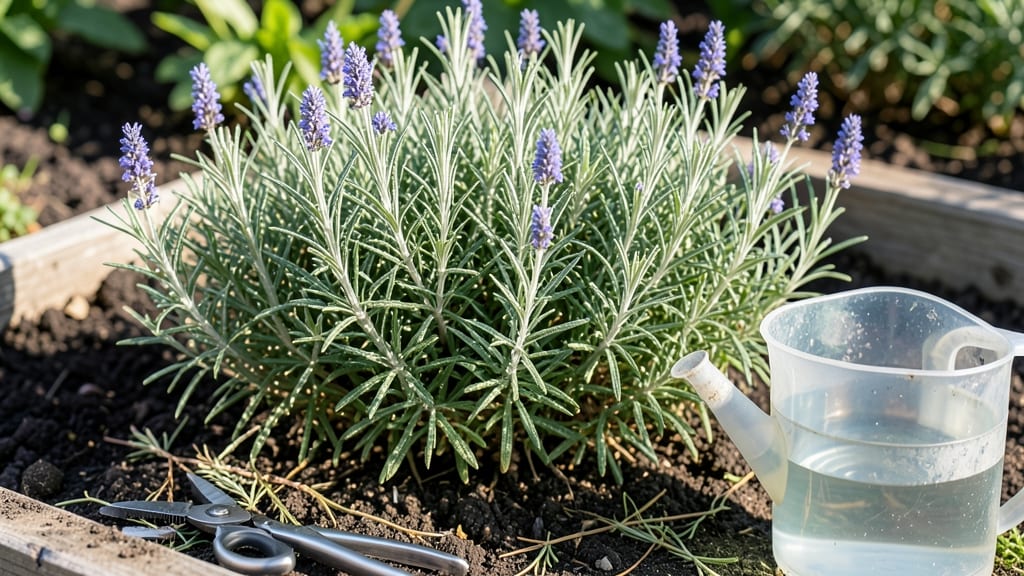
Learn how to make rosemary bushier—your leggy plant can transform into a fragrant, full shrub with just two simple pruning tricks, no green thumb needed. ✂️ strategic trimming and pinching back new growth.
The key is timing—spring and early summer are when rosemary responds best, but you can still shape it in fall before the first frost.
Start with clean, sharp pruners and cut just above a leaf node (where leaves meet the stem) at a slight angle to encourage new growth. Avoid cutting into old, woody stems—they won’t regrow. For leggy stems, trim back by one-third to encourage branching.
And here’s the secret: rosemary hates soggy soil, so water lightly after pruning, but don’t drown it. Too much water is what turns those bushy dreams into a sad, wilted mess.
Within 4-6 weeks, you’ll see fresh green shoots pushing out where you made cuts, and your rosemary will start filling in. The fragrance stays strong because you’re not hacking off the woody parts—just guiding the plant to grow fuller.
By late summer, you’ll have a thick, aromatic bush that’s perfect for cooking or garnishing dishes. And if your rosemary looks like a stick, don’t panic—it can often bounce back with the right care.
This method works for both upright and trailing rosemary varieties, whether you’re growing it in pots on your patio or in the ground. The best part? You’ll never have to buy rosemary again—just keep pruning it right, and it’ll reward you with years of lush, fragrant growth.
Ready to give it a try?
📚 In This Guide
- What you need
- Instructions
- Tips and common mistakes
- Wrapping up and next steps
What you need
- ● Rosemary plant: A healthy, established rosemary bush (upright or trailing varieties work best). Pro tip: Ensure it’s at least 1–2 years old for optimal pruning!
- ○ Pruning shears: Sharp, sterilized bypass pruners (avoid dull tools—they crush stems!). Optional: Small handheld pruners for precision.
- ● Gloves: Garden gloves (rosemary can be prickly, and some varieties have aromatic oils that may irritate skin).
- ● Watering can or hose: For post-pruning hydration. Tip: Use room-temperature water to avoid shocking the plant.
- ● Compost or well-draining potting mix: If repotting or amending soil (about 2–3 cups per plant). Spec: Rosemary thrives in sandy, gritty soil with pH 6.0–7.0.
- ○ Mulch (optional but helpful): Pine bark, gravel, or pebbles (1–2 inches thick) to retain moisture and deter weeds.
- ● Fertilizer: Balanced, low-nitrogen fertilizer (e.g., 5-5-5 or organic options like fish emulsion). Dosage: Follow package instructions—rosemary is sensitive to over-fertilizing!
- ● Plant support: Stakes or cages (for trailing varieties to encourage bushier growth).
- ● Spray bottle: For misting leaves if your climate is dry or indoors.
- ● Disinfectant: Rubbing alcohol (70%+) or bleach solution (1 part bleach to 9 parts water) to sterilize tools between cuts.
Step-by-Step instructions for pruning rosemary to encourage bushy growth
Here’s how I transform leggy rosemary into a lush, fragrant bush—no harsh cuts or stress needed!
✂️ Step 1: Prune Back Leggy Stems to Encourage Branching
Start by identifying the longest, bare stems—they’re your targets. Using sharp pruning shears, cut these stems back by about one-third of their length, but always above a leaf node or set of tiny side buds. This is where new branches will sprout. I like to make my cuts just above a 45-degree angle to prevent water from pooling on the wound.
Don’t worry if it looks drastic—rosemary is tough! The plant will focus its energy on growing new side shoots from those nodes, creating a fuller shape. If your rosemary has woody stems, avoid cutting into the hard, brown wood—stick to the green, flexible growth only. You’ll see new leaves emerging within 2-3 weeks if you’ve pruned at the right spots.
🌿 Step 2: Trim the Tips of Healthy New Growth
Once your rosemary starts producing fresh new growth, it’s time to pinch back the tips. Using your fingers or small pruners, snip off the very top ½ inch of the newest stems. This might seem counterintuitive, but it forces the plant to branch out instead of growing tall and leggy again. Think of it like shaping a hedge—you’re encouraging width over height.
Focus on the outer edges of the plant first. This keeps the center from getting too dense while the outer branches fill in. You’ll notice the stems below your pinch points will start developing small side shoots within 1-2 weeks. Keep an eye out for these—when they’re about 2 inches long, you can trim them back again to promote even more branching.
☀️ Step 3: Provide Ideal Growing Conditions After Pruning
After pruning, your rosemary needs extra care to recover and bush out. Place it in a spot with full sun (6+ hours daily)—rosemary thrives in bright light and will reward you with more vigorous growth. If your climate is hot and dry, water deeply once a week, letting the soil dry out completely between waterings. Overwatering after pruning can lead to root rot or weak new growth.
I also like to give my rosemary a light feeding with a balanced, water-soluble fertilizer (like 10-10-10) 2 weeks after pruning. This gives it the nutrients it needs to produce lush, fragrant new foliage. Avoid heavy fertilizers—they can encourage leafy growth at the expense of that signature rosemary aroma.
⏰ Step 4: Repeat Pruning Every 6-8 Weeks for Continuous Fullness
Bushy rosemary isn’t a one-time fix—it’s an ongoing process. Every 6-8 weeks, go back and trim any stems that are getting too long or sparse. This keeps the plant compact and encourages continuous branching. I prune mine in early spring, mid-summer, and late summer for three rounds of fullness each year.
Here’s the thing—rosemary responds best to regular, light pruning rather than occasional heavy cuts. If you let it go too long between prunings, you’ll end up with woody stems that don’t regrow well. But with consistent care, your rosemary will develop a thick, aromatic bush that’s perfect for cooking or garnishing dishes. Plus, the more you prune, the more you’ll have fresh sprigs to harvest!
Tips & tricks for pruning rosemary to encourage fullness
These simple secrets will transform your leggy rosemary into a lush, fragrant bush—without sacrificing that incredible aroma!
Leaf Node Location: The key to bushy growth is cutting just above those tiny side buds at leaf nodes. Look for the little nubs where leaves meet the stem—this is where new branches will emerge. I always say, "If you can't see a tiny bud or leaf node, don't cut there!" This ensures you're not just removing growth but actually encouraging new shoots.
Timing Secret: The 2-3 week window after your initial pruning is critical. That's when those new leaves will start emerging—don't be tempted to prune again too soon! Watch for the first signs of new growth (tiny green buds) before making any follow-up cuts. Patience here makes all the difference in getting that full, rounded shape.
Pruning Tool Wisdom: Sharp pruning shears make all the difference—dull blades crush stems instead of cleanly cutting them. I keep a pair specifically for rosemary and sharpen them before each pruning session. For those tiny pinch-backs in Step 2, your fingernails work perfectly if you don't have small pruners handy. Just be gentle to avoid damaging the tender new growth.
Sunlight Strategy: After pruning, move your rosemary to the sunniest spot you have—at least 6 hours of direct sunlight daily. I've seen dramatic differences when plants get moved to south-facing windows or even outdoors in summer. The more light, the faster and fuller that new growth will be. If you notice new growth looking pale, it's getting too much indirect light—rotate the plant occasionally for even exposure.
Pro Tips for Make Rosemary Bushier
- These simple secrets will transform your leggy rosemary into a lush, fragrant bush—without sacrificing that incredible aroma!
- Leaf Node Location: The key to bushy growth is cutting just above those tiny side buds at leaf nodes.
- Timing Secret: The 2-3 week window after your initial pruning is critical.
Frequently asked questions
Got questions about pruning rosemary for a lush, fragrant bush?
Here are answers to the most common ones—so you can grow a thriving rosemary plant without the guesswork.
When is the best time to prune rosemary for bushiness?
Prune rosemary in early spring (just before new growth starts) or late winter for the best results. Avoid heavy pruning in summer or fall—this can stress the plant or lead to woody growth. A light trim in late spring (after flowering) also helps maintain shape without sacrificing fragrance.
How much should I cut back to encourage bushiness?
For established rosemary, trim back 1/3 of the plant’s height in early spring. Focus on cutting just above a leaf node (where leaves meet the stem) to encourage new branches. Avoid "topping" (cutting the very top) unless you’re shaping—this can make the plant leggy. For young plants, a light pinch of the tips is enough!
What if my rosemary turns woody after pruning?
Woody stems are common in older rosemary, but you can revive it! Prune back harder in early spring, cutting just above a healthy green stem. Avoid over-fertilizing—rosemary prefers lean soil. If the center is bare, cut it out completely and let new growth sprout from the base. Patience is key!
Can I prune rosemary in hot or cold weather?
Nope! Prune rosemary when temps are mild (50–70°F). Avoid pruning in heatwaves (it stresses the plant) or freezing temps (new cuts may not heal). If you must prune in summer, do it early morning or late evening to reduce sun exposure. Cold-hardy varieties (like Rosemarinus officinalis) handle light spring pruning better.
What if my rosemary doesn’t grow bushier after pruning?
Check these 3 things:
- Light: Rosemary needs 6+ hours of full sun daily. Shady spots = leggy growth.
- Water: Overwatering causes root rot. Let soil dry completely between waterings.
- Soil: Use well-draining soil (sandy or gravelly mixes work best). Amend heavy soil with perlite.
Wrapping up and next steps
Growing a lush, fragrant rosemary bush is totally within reach with the right techniques! By mastering pruning for fullness, watering wisely, and fertilizing naturally, you’ll transform your rosemary from sparse to stunning.
Remember: patience and consistency are key—your plant will reward you with vibrant growth and that signature aroma. 🌿
Ready to see your rosemary thrive? Start with a trim this weekend and monitor its progress. Before you know it, you’ll have a bushy, aromatic centerpiece for your garden—or kitchen! 🌱