
Pruning
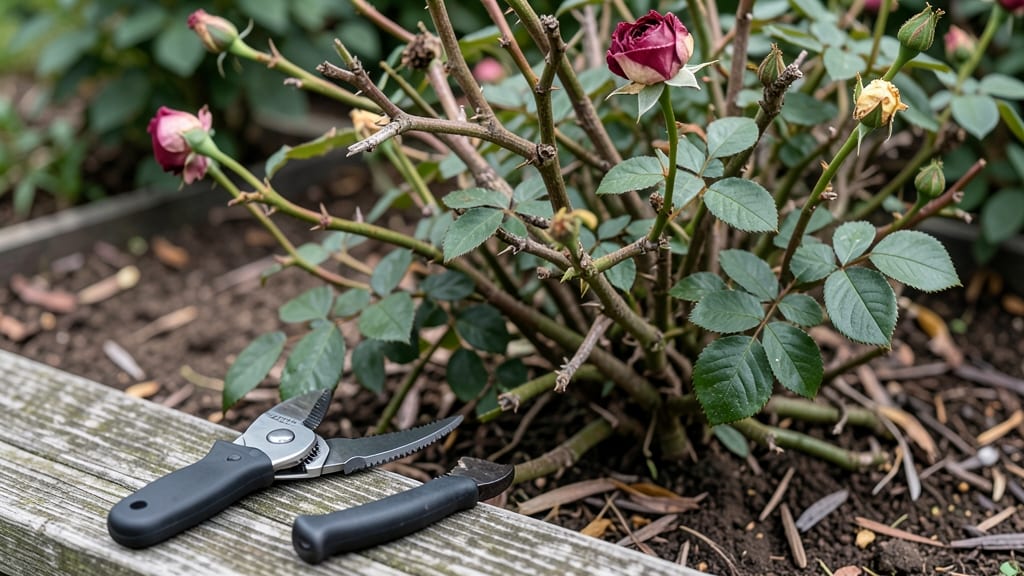
Pruning overgrown roses transforms tangled messes into vibrant, blooming bushes—and it’s simpler than you think. ✂️ I’ve turned my own neglected, wilted roses into the showstopper of the front yard using just three strategic cuts, no fancy tools required.
The key? Timing, identifying dead wood, and cutting at the right angles to encourage fresh growth instead of stumps that rot.
Start in late winter or early spring when plants are dormant but buds are swelling—this gives them 6-8 weeks to recover before summer heat. Grab a pair of sharp bypass pruners (dull blades tear stems, inviting disease) and a sanitized rubbing alcohol wipe to clean between cuts.
You’ll also need a glove (rose thorns are no joke) and a bucket for trimmings. The goal isn’t to hack away but to open the center for airflow and sunlight, which prevents fungal diseases and attracts pollinators.
After pruning, your roses will reward you with bold red canes pushing new growth within 10-14 days, followed by a second flush of blooms that outshines anything from last season. The air around them smells fresher, and pests like spider mites have fewer hiding spots.
For best results, water deeply after pruning and apply a balanced fertilizer (like 10-10-10) to fuel recovery. This method works for hybrid teas, floribundas, and even old garden roses—no green thumb required.
Here’s the secret most tutorials skip: don’t over-prune. Cut back no more than one-third of the plant’s height, and always make cuts just above an outward-facing bud (about ¼ inch above) to encourage branches to grow away from the center.
If you’re nervous, start with just one branch to practice—you’ll see how much easier it is than wrestling with a tangled jungle. Ready to revive your roses?
📚 In This Guide
- What you need
- Instructions
- Tips and common mistakes
- Wrapping up and next steps
What you need
- ● Bypass Pruners: A sharp, high-quality pair (like Felco F-2 or Corona Ratchet) for clean cuts on stems up to ½ inch thick.
- ● Loppers: Heavy-duty bypass loppers (e.g., Fiskars PowerGear) for thicker stems (½–1½ inches).
- ● Pruning Saw: A curved-blade saw (like Fiskars X27) for stems thicker than 1½ inches.
- ● Gloves: Heavy-duty, thorn-proof gloves (e.g., Cruelty-Free Vegetable Garden Gloves) to protect your hands.
- ● Disinfectant: Rubbing alcohol (70% isopropyl) or a pruning sealant (like Tanglefoot Pruning Seal) to prevent disease spread.
- ● Hand Pruners: For delicate trimming of small stems or deadheading.
- ● Pruning Shears: Long-handled shears (e.g., Vivaprune) for hard-to-reach branches.
- ● Ladder or Step Stool: If your roses are tall (6+ feet), a sturdy ladder or tall stool is a must.
- ● Trash Bags or Bucket: For collecting pruned debris—keep your workspace tidy!
- ● Sharpener: A pruner sharpener (like Felco Pruner Sharpener) to keep blades razor-sharp.
- ● Timing: Prune on a dry, cloudy day or early morning to reduce stress on the plant and minimize sap bleeding.
- ● Weather Check: Avoid pruning if rain is forecasted within 24 hours.
- ● Safety Gear: Sunglasses (to shield from sap) and long sleeves/pants (for extra protection).
Instructions for pruning overgrown roses
Here's the straightforward method I use to revive even the most tangled roses—no fancy tools, just three clean cuts.
✂️ Step 1: Identify and Remove Dead or Diseased Wood
Start by scanning the bush for branches that are brown all the way through, hollow, or oozing sap—these are dead or infected. Use your pruners to cut these stems at a 45-degree angle, about ¼ inch above a healthy bud that faces outward. You'll know you're on the right track when the cut reveals clean, green tissue inside the stem.
I always work from the bottom up—this prevents debris from falling onto fresh cuts. If a branch is thicker than your wrist, make the cut in two stages: first slice halfway through from the underside, then finish from the top. This prevents the wood from splitting or tearing.
✂️ Step 2: Thin Out Crowded Canes for Better Airflow
Next, focus on the healthy stems. Remove every third cane, starting with the oldest ones (they're usually the thickest at the base). Cut these back to the ground, using the same 45-degree angle technique. You're aiming for a vase-like shape with 5-7 evenly spaced canes remaining—they'll support new growth and improve airflow.
Watch for branches that cross or rub against each other. These create wounds where diseases like black spot can take hold. Trim one of the crossing stems completely, cutting just above a bud that points in the direction you want the plant to fill. Real talk: this step takes patience, but it's where the magic happens.
✂️ Step 3: Shape the Bush and Encourage New Growth
Now for the shaping. Step back and visualize an open center with 3-4 feet of clearance from the ground. Cut back the remaining canes by one-third to one-half their length, always making your cuts just above an outward-facing bud. This ensures new growth will fill in gaps rather than shoot straight up.
For flowering roses, look for 5-leaflet buds (the classic rose leaf shape) and cut ¼ inch above them. These buds will produce the strongest blooms. Avoid cutting into old wood—if you see a bud with only 3 leaflets, it's likely too old to flower well.
💧 Step 4: Clean Up and Apply Post-Pruning Care
After all cuts are made, sterilize your pruners with rubbing alcohol to prevent spreading disease. Rake up all debris and dispose of it in the trash—not the compost—since diseased material can reinfect your roses. Now's the time to give the base of the plant a 2-3 inch layer of mulch (like the 4 cubic feet of shredded bark you'll use) to retain moisture and protect against future rot.
Water deeply right after pruning to help the plant recover. You'll see new shoots within 3-4 weeks—that's your signal everything is working. Avoid fertilizing immediately; let the pruning wounds heal first. I wait 6 weeks before adding any nutrients to give the plant time to establish new growth.
Tips & tricks for pruning overgrown roses
These simple tricks will help you transform tangled rose bushes into thriving, blooming plants with minimal effort.
Tool Technique: Always sterilize your pruners between cuts by wiping them with rubbing alcohol. I learned this the hard way after pruning one bush and accidentally spreading black spot to another. The 45-degree angle cuts you make in Step 1 also help water run off the stems, preventing rot at the wound site. For thick branches, that two-stage cutting method really works—it keeps the wood from splitting and gives you cleaner cuts every time.
Season Timing: Late winter or early spring is ideal for pruning, but if your roses are looking particularly neglected, don't wait for the perfect moment. The key is to prune when the plant is dormant but before new growth begins. In warmer climates, you can prune lightly after blooms fade to encourage a second flush. Just remember: the 3-4 week recovery period mentioned in Step 4 is based on spring pruning—warmer weather may speed up new growth.
Visual Cues: When shaping in Step 3, step back frequently to check your progress. You're aiming for that open center with 3-4 feet of clearance—imagine sunlight pouring into the middle of the bush. For flowering roses, those 5-leaflet buds are your target; they're like little quality control markers telling you where the best blooms will come from. If you're unsure about a bud, remember: the classic rose leaf shape with five distinct leaves is what you're looking for.
Mulch Matters: That 2-3 inch layer of mulch isn't just decoration—it's crucial for moisture retention and temperature regulation. I use the 4 cubic feet of shredded bark mentioned because it breaks down slowly, adding organic matter to the soil over time. Keep the mulch a few inches away from the stem to prevent rot, and avoid piling it too thickly—you want airflow around the base too.
Pro Tips for Prune Overgrown Roses
- These simple tricks will help you transform tangled rose bushes into thriving, blooming plants with minimal effort.
- Tool Technique: Always sterilize your pruners between cuts by wiping them with rubbing alcohol.
- Season Timing: Late winter or early spring is ideal for pruning, but if your roses are looking particularly neglected, don't wait for the perfect moment.
Frequently asked questions
Got questions about pruning overgrown roses? You’re not alone! Here are some of the most common concerns—and their simple solutions—to help you tackle your rose bushes with confidence.
When is the best time to prune overgrown roses?
The ideal time is late winter or early spring (just before new growth starts) for most roses. If your roses are severely overgrown or diseased, you can do a light prune in summer to improve airflow—but avoid heavy cuts then. Pro tip: Wait until after the last frost in your area to avoid damaging tender new buds!
How much can I cut back my roses?
For severely overgrown roses, aim to reduce the plant by about one-third in the first year. Look for outward-facing buds (they’ll grow away from the center) and cut just above them. Avoid cutting into old wood—if you see no green rings inside the stem, it’s dead and should be removed. Remember: Patience is key! Heavy pruning in one season can shock the plant.
What if I prune at the wrong time?
Pruning too late in the season (after buds form) or in extreme heat can stress your roses. If you’ve already pruned outside the ideal window, don’t panic! Just focus on keeping the plant healthy with proper watering and fertilizing. Roses are resilient—light pruning mistakes won’t kill them, but timing affects their recovery speed.
Can I prune roses in fall or winter?
Light pruning in fall (after leaves drop) is fine to remove dead or diseased wood, but avoid heavy cuts. Winter pruning is risky unless you’re in a mild climate—frost can damage fresh cuts. If you must prune in winter, do it on a dry day and disinfect tools to prevent disease. Best practice: Wait until spring for major shaping!
What do I do if my roses keep growing wild after pruning?
If your roses regrow aggressively but stay leggy, you’re likely dealing with overly vigorous growth or poor pruning habits. Try these fixes:
- Use dormant oil in late winter to control pests that stress the plant.
- Adjust your fertilizer—too much nitrogen = more leaves, fewer flowers.
- Prune again in early summer to shape and encourage blooms.
Wrapping up and next steps
Pruning overgrown roses doesn’t have to be intimidating—with the right tools, technique, and timing, you can transform wilted stems into lush, blooming beauty! 🌹 Remember, the key is patience and precision: focus on open-center cuts, remove dead wood, and shape for airflow.
Your roses will thank you with vibrant blooms and healthier growth.
Ready to take the next step? Start small—pick one or two bushes this season and observe the difference. Before you know it, your garden will be a showstopper! For extra inspiration, bookmark this guide or share your progress with fellow gardeners online. Happy pruning!