
Diseases
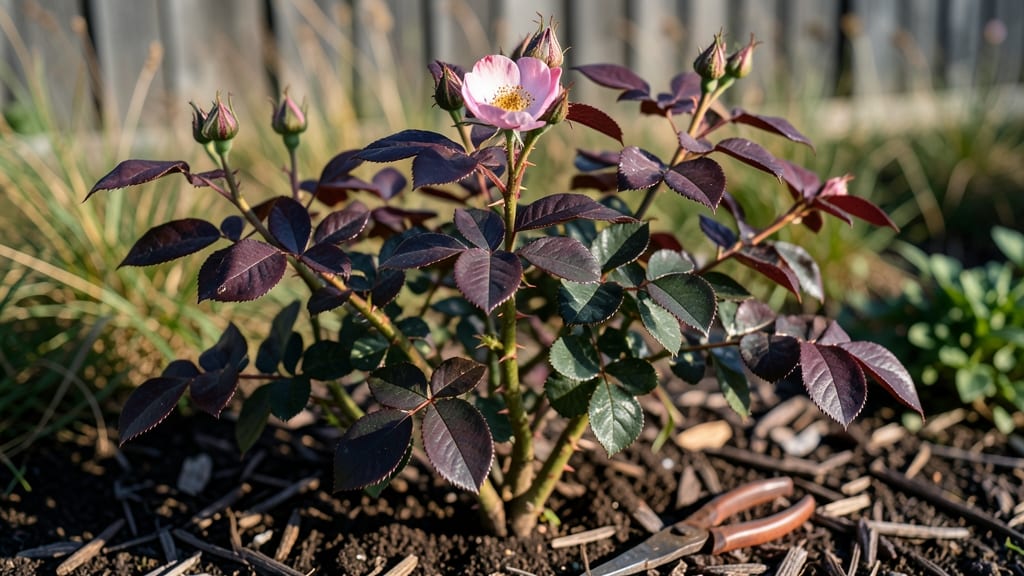
When your rose leaves start turning purple, it’s not just a cosmetic issue—they’re signaling a deeper problem. 🌹 The good news? Fixing it is simpler than you think, and your roses will bounce back with stronger stems and those showstopping blooms you planted them for.
Most purple-tinged leaves point to magnesium or phosphorus hunger, but don't rule out overwatering or powdery mildew hiding in the mix. I've diagnosed this by checking the undersides of leaves for fuzzy white spots (mildew) and scraping soil for that chalky texture that means too much lime.
The fix often starts with a balanced fertilizer or a sprinkle of Epsom salt—yes, the same stuff you use for baths—applied right to the roots.
Within two weeks of proper treatment, you'll see the purple fading and fresh green growth pushing out. Your roses won't just survive—they'll thrive with darker green leaves, stronger canes, and blooms that last longer. The key is acting fast before the problem spreads to the whole bush.
This works for hybrid teas, floribundas, and even those old garden roses with the best fragrance. Whether you're dealing with nutrient issues or fungal trouble, the same principles apply—just different solutions. Let's get those roses back to their best.
Hidden Causes Behind Purple Leaves
When your rose leaves start turning an unexpected purple hue, it’s often a silent SOS from your plant. While the sight might be striking, it’s rarely a natural aesthetic—it’s usually a sign of stress or imbalance.
Understanding the root causes helps you take precise action before the problem worsens. Below, we break down the most common reasons behind this color shift, backed by science and actionable fixes.
The most frequent culprit behind purple-tinged rose leaves is a phosphorus deficiency, often accompanied by low nitrogen levels.
Phosphorus plays a critical role in energy transfer within cells, and when it’s lacking, your rose may produce anthocyanins—pigments that give leaves a purple or reddish tint as a stress response.
But here’s the twist: phosphorus deficiencies are rarely standalone. They often pair with:
- Low nitrogen – Leaves may also appear pale or yellowish.
- Poor soil pH – Roses thrive in slightly acidic soil (pH 6.0–6.5). If the soil is too alkaline (high pH), nutrients like phosphorus and iron become locked away, even if they’re present.
- Compacted or waterlogged soil – Roots struggle to access nutrients, triggering deficiency symptoms.
How to fix it:
- 🔥 Test your soil – Use a home soil kit or send a sample to a local extension office for a full analysis.
- 🌡️ Adjust pH if needed – For alkaline soil, amend with sulfur or peat moss. For acidic soil, add lime.
- ✨ Fertilize smartly – Use a balanced 10-10-10 or 5-10-10 fertilizer (higher phosphorus) in early spring and mid-summer. Avoid high-nitrogen fertilizers if leaves are already yellowing.
- 💡 Improve soil aeration – Loosen soil around roots with a fork or add compost to boost nutrient availability.
Extreme temperatures—whether scorching heat or a sudden frost—can shock rose plants into producing anthocyanins as a protective measure. This is especially common in:
- Late spring or early fall – When temperatures swing unpredictably.
- High-altitude gardens – Cooler nights can stress roses even if days are warm.
- Urban heat islands – Pavement and buildings trap heat, raising soil temperatures.
Signs it’s temperature-related:
- Purple appears on new growth or young leaves first.
- No other deficiency symptoms (like yellowing or stunted growth).
- Leaves may feel crispy (heat stress) or soft/mushy (cold damage).
How to fix it:
- 🌿 Provide shade cloth – Use 30–50% shade fabric during peak afternoon sun in hot climates.
- 🌡️ Mulch heavily – Apply 2–3 inches of wood chips or straw to regulate soil temperature.
- 💧 Water deeply in the morning – Keeps roots cool and hydrated during heatwaves.
- ❄️ Protect from frost – Use frost blankets or row covers for young roses.
Water stress—whether from drought or overwatering—can trigger purple hues as your rose conserves energy. Here’s how to spot the difference:
| Drought Stress | Overwatering Stress |
|---|---|
|
|
How to fix it:
- 🔥 For drought:
- Water deeply (1–2 inches per week, more in heat).
- Use drip irrigation to deliver water slowly to roots.
- Mulch to retain moisture.
- 🌧️ For overwatering:
- Let soil dry out between waterings—stick your finger 2 inches down.
- Improve drainage with perlite or sand in heavy clay soil.
- Repot if roots are rotting (trim damaged roots before replanting).
Sometimes, purple leaves aren’t about nutrients—they’re a side effect of pests or pathogens sapping your rose’s energy. Common culprits include:
- Spider mites – Tiny pests that suck sap, causing stippled or purple-tinged leaves.
- Japanese beetles – Their feeding can stress leaves, leading to discoloration.
- Fungal infections (e.g., powdery mildew) – While mildew is usually white, severe cases can cause purple or reddish hues.
- Root-knot nematodes – These microscopic worms attack roots, reducing nutrient uptake.
How to diagnose:
- Check the underside of leaves for webs (mites) or holes (beetles).
- Look for white powder (mildew) or galls on roots (nematodes).
- Purple may appear alongside stunted growth or leaf drop.
How to fix it:
- 🔪 Spray with neem oil – Effective against mites, beetles, and fungal spores.
- 👨🍳 Introduce beneficial insects – Ladybugs or lacewings eat spider mites naturally.
- 🌿 Prune infected foliage – Remove and destroy severely damaged leaves.
- 💡 Test for nematodes – Send a soil sample to a lab if you suspect root damage.
Revive your roses naturally
Seeing your rose leaves turn purple can be alarming, but the good news is that most causes have simple, effective fixes. Below, we’ve mapped out targeted solutions based on the most common triggers—plus prevention tips to keep your roses vibrant and healthy. 🌸✨
Purple-tinged leaves often signal a lack of key nutrients. Here’s how to restore balance:
- 🔥 Add Phosphorus (for energy and blooms)
- Use a balanced fertilizer (like 10-10-10) or a phosphate-rich amendment (bone meal, rock phosphate).
- How: Sprinkle 1–2 tbsp around the base of the plant, water deeply, and repeat every 4–6 weeks during growing season.
- Pro Tip: 💡 Mix a handful of crushed eggshells (for calcium + phosphorus) into the soil for a natural boost.
- 🍳 Boost Nitrogen (for leaf health)
- Yellowing between veins? Switch to a high-nitrogen fertilizer (like blood meal or fish emulsion).
- How: Apply in early spring or after pruning. Dilute liquid fertilizers to half-strength to avoid burning roots.
- 🌡️ Check pH Levels (acidic soil locks out nutrients)
- Test your soil (pH 6.0–6.5 is ideal for roses). If too alkaline, amend with sulfur or peat moss.
- How: Work 1 cup of sulfur into the top 6 inches of soil per 100 sq ft. Re-test in 2–3 months.
Overwatering or poor drainage can suffocate roots, leading to nutrient starvation and purple hues.
- ⏰ Adjust Watering Schedule
- Water deeply 1–2 times per week (early morning is best) instead of daily shallow watering.
- Test: Stick your finger 2 inches into the soil—if dry, water. If soggy, hold off.
- 🔪 Improve Soil Drainage
- Amend heavy clay soil with perlite, sand, or compost to prevent waterlogging.
- DIY Fix: Dig a 6-inch-deep trench around the plant and fill with gravel for better aeration.
- 🌧️ Mulch Properly
- Apply 2–3 inches of organic mulch (straw, wood chips) to retain moisture and regulate temperature.
- Warning: 🚫 Avoid piling mulch against the stem—keep it 2 inches away to prevent rot.
Purple leaves can also signal hidden threats like black spot or aphids, which disrupt nutrient uptake.
- 🍄 Combat Fungal Diseases
- Black spot? Prune infected leaves immediately and spray with neem oil or copper fungicide.
- Prevention: 🌿 Space plants for airflow and water at the base (not overhead).
- 🐜 Banish Sap-Sucking Pests
- Aphids/spider mites? Blast off with a strong stream of water, then apply insecticidal soap or horticultural oil.
- Pro Tip: 🎯 Introduce ladybugs (natural predators) to your garden for long-term control.
Once your roses rebound, keep them thriving with these habits:
- 📊 Fertilize Seasonally:
- Spring: High-nitrogen for foliage.
- Summer: Balanced (10-10-10) for blooms.
- Fall: Low-nitrogen, high-phosphorus to harden roots.
- 🥗 Feed the Soil, Not Just the Plant:
- Mix compost or worm castings into the soil annually to improve nutrient availability.
- 🌡️ Monitor & Act Fast:
- Check leaves weekly for early signs of stress. Purple edges? Adjust care immediately.
- 🌿 Rotate Plant Locations:
- Move roses every 3–4 years to prevent nutrient depletion in the same soil.
With these fixes, your roses should bounce back in 2–4 weeks. Purple leaves are a cry for help—but once you address the root cause (literally!), your plants will reward you with lush greenery and showstopping blooms. 🌹💜
Frequently asked questions
Why do only the newer leaves turn purple while older ones stay green?
This usually indicates a magnesium deficiency or temperature stress. New growth often shows symptoms first because the plant prioritizes moving nutrients to younger leaves. Check if your roses are in a spot with sudden temperature swings or if you've recently amended the soil with lime (which can lock out magnesium).
Can Epsom salt fix purple leaves, and how much should I use?
Yes! Epsom salt provides magnesium sulfate, which helps reverse purple discoloration. For container roses, dissolve 1 tablespoon in a gallon of water and apply monthly. For in-ground roses, sprinkle 1 pound per 100 square feet around the base, then water deeply. Apply in early morning to prevent leaf burn from salt buildup.
Will pruning purple leaves help my rose recover faster?
Yes, but only remove 20-30% of the plant at a time to avoid shocking it. Focus on severely affected leaves and any dead/diseased growth. Prune in the morning when the plant is hydrated, and sterilize your tools with rubbing alcohol to prevent spreading pathogens. Healthy leaves can photosynthesize more efficiently once the burden of damaged foliage is removed.
Could my rose's purple leaves be from too much fertilizer?
Over-fertilizing—especially with high nitrogen—can cause burned roots and nutrient imbalances that trigger purple hues. Flush the soil with water to leach excess salts, then hold off on fertilizing for 4-6 weeks. Switch to a balanced organic fertilizer (like compost tea) and water deeply afterward to help roots recover.
How long should I wait to see improvement after treating purple leaves?
With proper care, you should notice changes in 1-2 weeks, though full recovery may take 4-6 weeks. Monitor the youngest leaves first—they're the most responsive to treatment. If no improvement after 3 weeks, re-evaluate your approach (soil test, pest inspection, or disease diagnosis) as the issue might be more complex than initially thought.