
Diseases
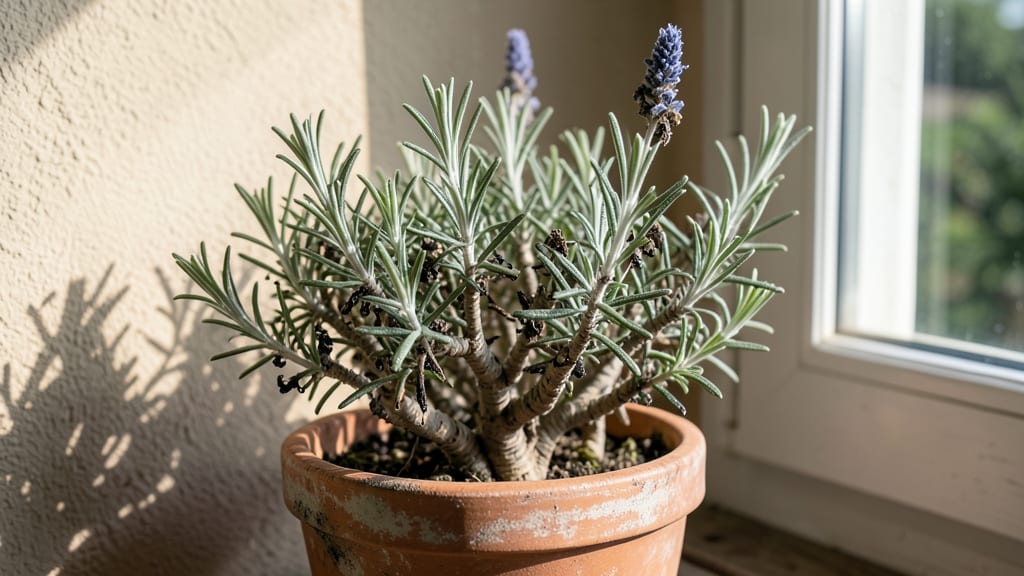
Your rosemary plant's black leaves could be a sign of overwatering, disease, or environmental stress — and the fix is often simpler than you think.
Discovering those dark spots can feel like a gut punch, especially when you’ve been watering it just right and giving it plenty of sun. But before you toss it out, these five common causes (and their fixes) will help you save your 🌿 rosemary.
Whether it’s root rot from soggy soil, a fungal infection, or even cold damage, each issue has a targeted solution — from adjusting your watering schedule to pruning the worst-affected stems. Below, I break down the most likely culprits and how to turn things around fast.
You’ll also learn how to keep your rosemary thriving long-term, so those black leaves become a thing of the past. Let’s get started.
5 Common causes of rosemary black leaves (and how to identify them)
When your rosemary plant develops black leaves, it’s usually a cry for help—often from an issue you can fix quickly. The key is identifying the exact problem by examining the leaf pattern, plant location, and environmental conditions.
Let’s break down the top five culprits and how to spot them before they spread.
Rosemary thrives in well-draining soil and full sunlight, but even the hardiest plants can struggle when these conditions go wrong. Black leaves often appear as dark spots, wilting, or crispy edges, each signaling a different underlying issue.
The good news? Most fixes are simple once you know what to look for.
Look for: Dark brown/black spots with yellow halos on leaves. Fungal spores thrive in humid, damp conditions.
Look for: Soft, mushy leaves with blackened edges. Overwatered rosemary often smells rotten at the base.
Look for: Uniform blackening between leaf veins, often starting on younger leaves. Soil may be alkaline or compacted.
Look for: Blackened leaf tips or crispy edges after overnight temps below 40°F. Leaves may also feel brittle.
Look for: Blackened stippling (tiny dots) on leaves, often with fine webbing underneath. Leaves may curl inward.
If your rosemary shows fungal spots, isolate the plant immediately to prevent spread. Fungal infections like black spot appear as dark, circular lesions with fuzzy edges—often on the upper leaf surfaces.
Check the undersides of leaves for white or gray mold, a classic sign of powdery mildew, another common fungal issue.
For overwatered rosemary, the damage is usually systemic. Start by checking the soil moisture—stick your finger 1-2 inches deep. If it’s damp, reduce watering to every 2-3 weeks and improve drainage by adding perlite or sand to the soil.
Let the top 3 inches of soil dry out between waterings to mimic rosemary’s Mediterranean roots.
When black leaves result from nutrient deficiencies, focus on iron and manganese, which rosemary needs for chlorophyll production. Test your soil pH—rosemary prefers neutral to slightly alkaline soil (6.0-7.0).
If your soil is too alkaline, amend it with sulfur or peat moss and apply a chelated iron supplement every 4-6 weeks during the growing season.
Cold damage is often seasonal, striking in early spring or late fall when temperatures dip below 40°F. Affected leaves may turn black and brittle, but the stems often remain green. Protect your rosemary by mulching heavily in winter or moving potted plants indoors if frost is forecasted. Hardened varieties like ‘Arp’ or ‘Hill Hardy’ tolerate cooler temps better.
Finally, pest damage from spider mites or aphids can cause blackened stippling or yellowing between veins. Inspect the leaf undersides for tiny webs or bugs crawling.
Treat infestations with a neem oil spray or insecticidal soap, applied every 5-7 days until pests disappear. For severe cases, introduce beneficial predators like ladybugs.
Remember, rosemary is drought-tolerant, so underwatering is rarely the culprit—it’s usually overwatering or poor drainage. If your plant’s leaves are crispy but not mushy, it’s likely environmental stress from heat or wind. Move it to a shadier spot temporarily and monitor for improvement.
Once you’ve identified the issue, act fast—black leaves can spread quickly and weaken your rosemary. The sooner you prune affected foliage and adjust care, the
Step-by-step fixes for black leaves on rosemary (ranked by effectiveness)
Black leaves on your rosemary don’t always mean the plant is dying—often, they’re a cry for help from overwatering, fungal infections, or environmental stress. The good news?
Most fixes are simple and fast. I’ll walk you through the most effective solutions, ranked from quick fixes to long-term prevention, so you can revive your rosemary plant fast.
Start by identifying the root cause—black spots from fungus, crispy edges from underwatering, or wilting from overwatering. Once you know the issue, act fast.
For example, if your rosemary leaves feel mushy, you’re likely dealing with root rot, which requires immediate pruning and drainage adjustments. Let’s tackle the fixes, starting with the easiest.
Quick Fixes vs. Long-Term Solutions
Quick Fixes
- 💧 Adjust watering: Let soil dry completely between waterings.
- ✂️ Prune black leaves: Cut affected stems 1/4 inch above healthy growth.
- ☀️ Move to sunlight: Ensure 6+ hours of direct sun daily.
Long-Term Solutions
- 🌱 Improve drainage: Add perlite or sand to heavy soil.
- 🌿 Organic fungicide: Spray neem oil weekly for fungal issues.
- 🪴 Repot if needed: Use well-draining pots with drainage holes.
If your rosemary leaves are turning black due to overwatering, the first step is to stop watering immediately. Let the top 2-3 inches of soil dry out completely before watering again. Rosemary thrives on neglect—it’s drought-tolerant, so underwatering is better than overwatering.
For potted rosemary plants, ensure the pot has drainage holes and use a cactus or succulent mix to improve drainage.
For fungal infections, like black spot disease, act fast with an organic fungicide. Mix 1 tablespoon of neem oil with 1 quart of water and spray the plant thoroughly, focusing on the undersides of rosemary leaves.
Repeat every 7-10 days until the black spots disappear. Prune infected leaves immediately to prevent spread, and avoid watering the foliage—water at the base instead.
If nutrient deficiencies are causing blackened leaves, a light fertilizer application can help. Use a balanced fertilizer (like 10-10-10) diluted to half strength and apply it in early spring.
Over-fertilizing can burn roots, so less is more. Pair this with a mulch layer of gravel or coarse sand to improve soil aeration and prevent root rot.
For environmental stress, like cold damage or wind burn, move your rosemary plant to a protected location with full sun but shelter from harsh winds.
If your rosemary is in a container, bring it indoors during frost or extreme heat. Rosemary hates humidity, so ensure good airflow around the plant to prevent fungal growth.
Finally, if pests like aphids or spider mites are causing blackened leaves, blast them off with a strong stream of water or use an insecticidal soap.
For severe infestations, repeat treatments every 3-4 days until the pests are gone. Healthy rosemary is less attractive to pests, so focus on proper care to keep your plant thriving.