
Planting
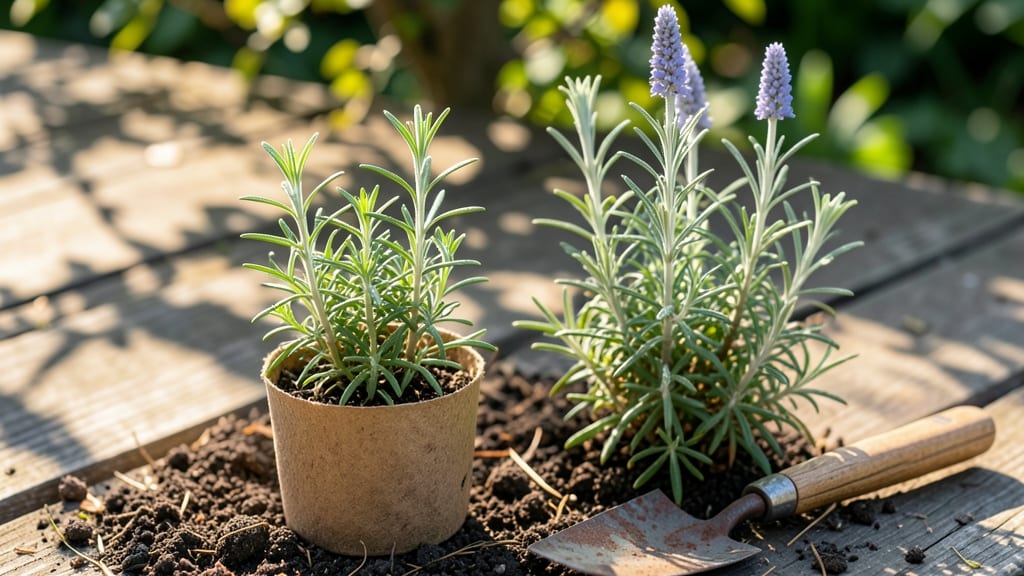
Here are the best rosemary planting tips to grow this fragrant, drought-tolerant herb with almost no fuss—just well-draining soil and full sun. a sunny windowsill indoors. The key is getting the soil right—too much moisture will kill it faster than you can say "herbicide."
Start with a spot that gets at least 6-8 hours of sunlight daily, and mix in some sand or gravel if your soil drains poorly. Rosemary hates soggy feet, so raised beds or containers with drainage holes work best.
Once planted, water deeply but infrequently—think of it like a cactus, not a lettuce plant. You'll see new growth within weeks, and those piney needles will fill your garden with a fresh, woodsy scent.
📚 In This Guide
- What you need
- Instructions
- Tips and common mistakes
- Wrapping up and next steps
What you need
- ● Rosemary plants: 1-3 healthy nursery-grown rosemary plants (choose Rosmarinus officinalis for culinary use or Rosmarinus prostratus for ground cover).
- ● Well-draining soil: 5-10 lbs of a mix like cactus/succulent potting soil or garden soil amended with 50% perlite, sand, or gravel (rosemary hates soggy roots!).
- ● Containers (if potted): 1-2 12-inch diameter pots with drainage holes (or larger for multiple plants). Terracotta or fabric pots work best.
- ● Garden bed space (if planting outdoors): Full sun (6+ hours/day) and 6–12 inches of spacing between plants (adjust for dwarf varieties).
- ● Fertilizer: Balanced organic fertilizer (10-10-10) or slow-release granules (follow package rates). Skip heavy nitrogen—it encourages leafy growth over fragrant stems!
- ● Watering can or hose with a gentle spray nozzle (rosemary prefers deep but infrequent watering).
- ● Pruning shears or sharp scissors (sterilized with rubbing alcohol).
- ● Mulch: Gravel or coarse bark to retain heat and deter weeds (skip organic mulch—it can compact soil).
- ● Drip irrigation system (for automated watering in dry climates).
- ● Epsom salt (1 tbsp/month) for magnesium boosts (great for yellowing leaves).
- ● Pest control: Neem oil or insecticidal soap (preventative for spider mites or aphids).
- ● Sun calculator app to track light exposure in your area.
How to plant rosemary for a fragrant, low-maintenance herb garden
Rosemary thrives with surprisingly little fuss—here’s exactly how to set it up for years of lush, aromatic growth.
🪴 Step 1: Choose the Right Location and Container
Rosemary demands full sun—at least 6-8 hours daily—so pick a spot that gets morning light and afternoon warmth. If planting in containers, use pots with drainage holes and a diameter of at least 12 inches to accommodate its deep root system. I always opt for terracotta because it breathes and prevents root rot in the dry climates rosemary loves.
For ground planting, amend heavy or clay soil with 3 inches of coarse sand or perlite to improve drainage. Rosemary hates soggy roots, so if your soil stays damp for more than a few hours after watering, container growing is your best bet. The plant’s woody stems and needle-like leaves are your first clue it’s happy—when they’re vibrant green and upright, you’re on the right track.
🌱 Step 2: Plant at the Correct Depth and Spacing
Dig a hole just as deep as the root ball of your rosemary plant—no deeper, or the roots will suffocate. For container-grown plants, remove it from the pot and gently loosen the roots if they’re circling. Space plants 3-4 feet apart in the ground to give them room to spread without competing for nutrients. In containers, one plant per pot is ideal since rosemary doesn’t tolerate crowding.
Backfill the hole with soil, pressing lightly to eliminate air pockets but not compacting too firmly. Water deeply right after planting to settle the soil around the roots. You’ll know it’s settled when the soil around the base looks firm but still crumbly to the touch. Avoid fertilizing immediately—rosemary prefers lean soil and will burn if overfed right away.
☀️ Step 3: Water and Maintain for Optimal Growth
Rosemary is drought-tolerant once established, but newly planted rosemary needs consistent moisture for the first 2-3 weeks. Water deeply every 2-3 days until the top 2 inches of soil feel dry to the touch. After that, let the soil dry out completely between waterings—this encourages deep root growth. Overwatering is the fastest way to kill rosemary, so resist the urge to keep the soil damp.
Mulch around the base with 2-3 inches of gravel or coarse mulch to retain moisture and regulate soil temperature. This also prevents weeds from competing with your rosemary. Prune lightly after planting to encourage bushiness—snip back the tips by ⅓ to promote branching. You’ll see new growth within 4-6 weeks, signaling the plant is settling in and thriving.
✂️ Step 4: Prune and Harvest for Long-Term Health
Prune rosemary twice a year: once in early spring to shape the plant and again after harvest to encourage new growth. Use clean, sharp shears to cut back ⅓ of the plant’s height in late winter or early spring before new shoots emerge. Avoid cutting into old wood, as rosemary struggles to regrow from mature stems. Harvest sprigs regularly throughout the growing season—never take more than ⅓ of the plant at once—to encourage bushier growth.
Harvest in the morning after the dew has dried but before the heat of the day sets in. Strip the leaves from the stems with your fingers or snip just above a leaf node. Store harvested rosemary in the fridge for up to 2 weeks or dry it by hanging bundles upside down in a warm, dry place. The stronger the aroma when you harvest, the healthier your plant is—aim for that piney, fresh scent as your benchmark.
Tips & tricks for perfect rosemary planting
Here's what nobody tells you about growing rosemary that'll make all the difference in your herb garden's success.
Light Matters: The 6-8 hours of full sun mentioned in Step 1 is non-negotiable for rosemary. If you're planting in partial shade, expect slower growth and less aromatic leaves. I've seen rosemary in my own garden struggle when moved to a shadier spot—it stopped producing those signature piney fragrances within weeks. For containers, place them where they get maximum sun exposure, even if it means moving them seasonally to follow the sun's arc.
Soil Secrets: That 3 inches of coarse sand or perlite in Step 1 isn't just about drainage—it's about creating the perfect airy environment rosemary craves. I've found that mixing in a bit of horticultural charcoal (about 10% of the soil volume) can help prevent fungal issues while maintaining that loose texture. The key is to create a soil that mimics rosemary's natural Mediterranean habitat where water drains away quickly.
Pruning Precision: When you're cutting back that ⅓ of the plant's height in Step 4, focus on removing the oldest growth first. I learned this the hard way after pruning too aggressively and nearly losing a plant. Always cut just above a leaf node—this is where new growth emerges. For container plants, a light trim after every harvest helps maintain that compact shape while encouraging bushier growth.
Harvesting Hack: The morning harvest timing in Step 4 is crucial because that's when the essential oils are at their peak concentration. I've noticed the aroma is strongest right after dew has dried but before the heat of the day sets in. If you must harvest later, do it in the late afternoon when temperatures start to drop—this preserves more of that signature piney fragrance in your rosemary sprigs.
Pro Tips for Rosemary Planting Tips
- Here's what nobody tells you about growing rosemary that'll make all the difference in your herb garden's success.
- Light Matters: The 6-8 hours of full sun mentioned in Step 1 is non-negotiable for rosemary.
- Soil Secrets: That 3 inches of coarse sand or perlite in Step 1 isn't just about drainage—it's about creating the perfect airy environment rosemary craves.
Frequently asked questions
Got questions about growing rosemary? You're not alone! Here are some of the most common concerns—plus straightforward answers to help you cultivate thriving plants with confidence.
When is the best time to plant rosemary?
Rosemary thrives in spring or early fall when temperatures are mild (60–80°F). Avoid planting in hot summer months—it can stress young plants. If you’re in a warm climate, winter planting is fine, but protect it from frost.
How often should I water rosemary?
Rosemary is drought-tolerant once established! Water deeply but infrequently—about once a week (or less in dry climates). Overwatering causes root rot, so let the soil dry out between waterings. Pro tip: Use well-draining soil and a pot with drainage holes if container-growing.
Does rosemary need full sun?
Yes! Rosemary loves full sun (6+ hours daily). In shadier spots, it grows leggy and loses flavor. If you’re in a low-light area, place it near a sunny window or supplement with a grow light. Bonus: Sunlight boosts essential oils, making your rosemary more aromatic!
How do I keep pests away from my rosemary?
Rosemary is generally pest-resistant, but aphids or spider mites can appear. Spray plants with neem oil or a soapy water mix (1 tsp mild soap per quart of water) to deter pests. Preventative tip: Prune regularly to improve airflow and reduce hiding spots for bugs.
Can I grow rosemary indoors?
Use a sunny windowsill (south-facing is ideal) or a grow light. Choose a small pot (6+ inches deep) with drainage, and opt for upright varieties like ‘Tuscan Blue’ for better indoor growth. Rotate the pot occasionally for even light exposure.
How do I protect rosemary from frost?
Rosemary is not frost-hardy—temperatures below 20°F can kill it. If frost is forecasted, cover plants with frost cloth or move potted rosemary indoors. In cold climates, grow it in containers so you can bring it inside during winter.
What if my rosemary turns yellow or brown?
Yellow leaves often mean overwatering or poor drainage. Brown tips? It’s likely underwatering or sunburn (too much direct sun). Adjust care: water less frequently, ensure drainage, and provide partial shade if leaves look crispy.
Wrapping up and next steps
Growing rosemary is simpler than you think—just follow these easy planting tips, and you’ll soon enjoy a thriving, fragrant herb with minimal effort! 🌿 Whether you’re a beginner or a seasoned gardener, rosemary’s resilience and versatility make it a perfect addition to your garden or kitchen.
Now that you’re armed with the right knowledge, take the next step—grab your rosemary cuttings, prepare your soil, and watch your herb garden flourish in no time!