
How To
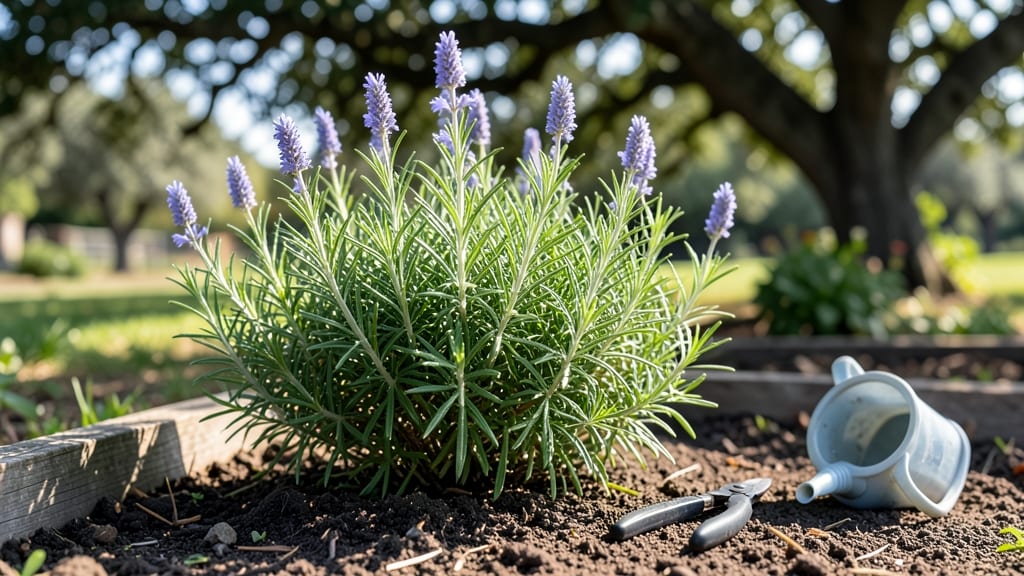
Rosemary tolerates temperatures between 5°F (-15°C) and 100°F (38°C), making it surprisingly adaptable for both chilly mornings and sweltering afternoons.
If you’ve ever watched your rosemary 🌿 shiver in a late frost or droop under a heatwave, you’re not alone—this Mediterranean herb has limits, but with the right care, it can thrive in nearly any climate.
From USDA zones 7-10, where rosemary grows as a perennial, to colder zones where it’s treated as an annual, understanding its temperature range is the key to keeping it lush and fragrant year-round.
Below, I’ll break down how to protect rosemary from freezing cold snaps, scorching heat, and everything in between—plus the best varieties for your local weather.
Rosemary temperature tolerance: cold-hardiness zones explained
Rosemary is a Mediterranean native that loves warmth, but its cold tolerance varies dramatically across USDA hardiness zones. In zones 7-10, rosemary thrives as a perennial herb, but gardeners in zones 6 and below face challenges keeping it alive through winter.
Understanding these temperature thresholds is key to growing rosemary successfully year-round.
Most rosemary varieties can handle temperatures down to 20°F (-7°C) for short periods, but prolonged exposure to 15°F (-9°C) or below will kill the plant. The good news? With the right winter care strategies, you can grow rosemary even in colder climates.
Let's break down how rosemary performs in different zones and what you can do to protect it.
⚠️ CRITICAL THRESHOLD: Rosemary's minimum safe temperature is 20°F (-7°C)—any colder for extended periods risks frost damage or death. This is why zone 7+ gardeners have an advantage, but containers and mulching can help everywhere.
In zones 9-10, rosemary grows happily as a perennial herb with no special winter care. The plant naturally enters dormancy during cooler months but recovers beautifully when temperatures rise again. Focus here on regular pruning and watering adjustments rather than cold protection.
Gardeners in zone 8 can treat rosemary as a perennial with minimal effort. A thick layer of organic mulch (like straw or wood chips) around the base will insulate roots during light freezes.
For extra protection, wrap the plant in burlap during sudden cold snaps below 25°F (-4°C). This method works best for established plants with strong root systems.
Zone 7 gardeners face the biggest challenge for outdoor rosemary. While the plant can survive short-term dips to 0°F (-18°C), prolonged exposure to these temperatures will damage or kill it. The solution? Combine mulching with container growing.
Plant rosemary in a large pot and bury it halfway in the ground for winter. Wrap the pot in bubble wrap or move it to a garage or shed during extreme cold.
For zone 6 and colder, rosemary is best grown as an annual herb or in containers that can be brought indoors. Choose dwarf varieties like Rosemary 'Prostratus', which are slightly more cold-tolerant.
Overwinter your rosemary by moving pots to a cool, bright location (like a sunroom) where temperatures stay above 40°F (4°C). Reduce watering to prevent root rot during dormancy.
One of my best winter strategies is using gravel mulch around rosemary plants in zone 7. The gravel insulates roots while allowing excess moisture to drain—critical for preventing root rot during winter thaw cycles.
Pair this with a lightweight row cover during sudden cold snaps, and your rosemary will bounce back beautifully in spring.
Remember: rosemary hates soggy soil, especially in winter. Always ensure pots have drainage holes and never let containers sit in standing water. Even in cold climates, overwatering is more dangerous than underwatering during dormancy. Aim to water only when the top 1-2 inches of soil feel completely dry.
If you're growing rosemary in containers, consider using a heat mat during early spring to jumpstart growth. This helps compensate for cooler soil temperatures in zones 6-7. Once nighttime temperatures consistently stay above
Heat survival tips: protecting rosemary from extreme summer temperatures
When summer temperatures climb above 90°F (32°C), your rosemary can struggle—even though it loves sunny climates. Heat stress causes leaf scorch, wilting, and stunted growth. The key is balancing sun exposure, watering, and soil health to keep your plants thriving during scorching heatwaves.
With the right care, you can protect your rosemary from heat damage and maintain its aromatic leaves all season long.
Rosemary is naturally drought-tolerant, but extreme heat requires extra attention. Unlike its Mediterranean roots where summers are hot but dry, humid heat (like in the southeastern U.S.) can be especially harmful.
The plant’s woody stems help it retain moisture, but prolonged exposure to high temperatures without proper care leads to irreversible damage. Start by adjusting your watering schedule and providing temporary shade during peak afternoon heat.
To shield rosemary from extreme heat, use light shade cloth (30-50% coverage) during the hottest hours (12 PM - 4 PM). A simple white shade cloth reduces temperatures by 10-15°F while still allowing sunlight.
For container-grown rosemary, move pots to a shadier spot or place them in dappled sunlight under trees. Avoid full shade, as rosemary needs at least 4-6 hours of direct sun daily to stay healthy.
Watering becomes critical during heatwaves, but overwatering is worse than underwatering. Instead of daily light watering, give your rosemary a deep soak every 10-14 days to encourage deep root growth. Water in the early morning (before 8 AM) to reduce evaporation and fungal risks.
Check soil moisture by sticking your finger 2 inches deep—if it’s dry, water thoroughly. Mulch with gravel or straw to retain moisture and regulate soil temperature.
Watch for signs of heat stress, including yellowing leaves, brown leaf edges, or drooping stems. If you spot these, trim affected leaves immediately to redirect energy to healthy growth. For severely stressed plants, prune back 1/3 of the plant to reduce water demands.
Recovery often happens within 2-3 weeks if temperatures drop and care improves. In extreme cases, consider partial shade for a few weeks to help the plant rebound.
Protecting rosemary from heat isn’t just about survival—it’s about maintaining its flavor and fragrance. Heat-stressed plants produce less essential oil, dulling their culinary and aromatic qualities. By adjusting shade, watering, and soil care, you’ll keep your rosemary lush, fragrant, and productive even in the hottest summers.
With these tips, your rosemary will stay resilient and ready for harvest all season long! 🌿☀️