
Shrubs
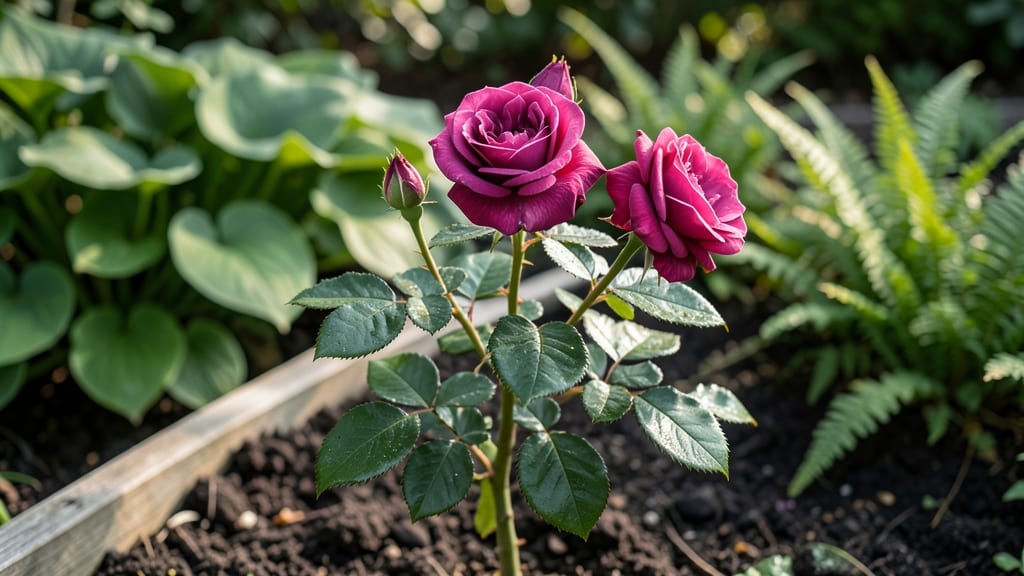
Growing a St. Andrews rose means waking up to the sweetest scent in your garden every morning—its velvety blooms last from spring until frost. 🌹 I learned the hard way that this climber thrives with just the right balance of sun, soil, and patience, and I’ll share exactly how to give it what it needs without overcomplicating things.
This rose loves full sun (at least 6 hours daily) and well-draining soil that’s rich but not soggy—think crumbly loam mixed with compost. The secret to its long blooms?
Pruning lightly after each flush of flowers to encourage new growth, and watering deep but infrequently (about 1 inch per week). You’ll end up with a fragrant, disease-resistant climber that attracts butterflies and hummingbirds all season.
The key is consistency: feed it once in spring and again in summer, and watch it reward you with blooms that last months longer than other roses. Perfect for trellises, arbors, or even as a specimen plant—this rose is the star of any garden.
Let’s get those roots in the ground!
📚 In This Guide
- What you need
- Instructions
- Tips and common mistakes
- Wrapping up and next steps
What you need
- ● St Andrews Rose plant: Choose a healthy, disease-resistant variety (bare-root or potted). Pro tip: Look for labels confirming it’s Rosa ‘Graham Thomas’—the classic St Andrews Rose!
- ● Well-draining soil: Mix 1 part garden soil with 1 part compost and 1 part perlite or sand for optimal aeration.
- ● Support structure: Obelisk (6–8 ft tall)
- ● Arbor or trellis (minimum 8 ft wide)
- ● Strong fence or wall (if climbing vertically)
- ● Organic fertilizer: Slow-release 10-10-10 or rose-specific granules (follow package rates).
- ● Mulch: Wood chips or straw (2–3 inches) to retain moisture and suppress weeds.
- ● Garden trowel or spade
- ● Pruning shears (sterilized with rubbing alcohol)
- ● Gloves (to protect from thorns!)
- ● Watering can or hose with a gentle spray nozzle
- ● Measuring tape (for spacing plants 3–4 ft apart)
- ● Epsom salt: Sprinkle occasionally for magnesium boosts (1 tbsp per plant every 4–6 weeks).
- ● Rose food: Liquid feed for extra blooms (use monthly during growing season).
- ● Copper fungicide: Prevents black spot (apply preventatively in spring).
- ● Shade cloth: For young plants in hot climates (30–50% coverage).
Step-by-Step instructions for planting and cultivating St Andrews roses
Here's how I've learned to nurture these fragrant climbers into lush, blooming stars of any garden.
🌱 Step 1: Choose the Perfect Planting Spot
St Andrews roses thrive in full sun—at least 6-8 hours daily. I always pick a location where they'll get morning sun and afternoon shade in hotter climates, as this prevents leaf scorch. The spot should also have shelter from strong winds, which can damage their delicate blooms.
Check the soil drainage by digging a hole about 12 inches deep and filling it with water. If it doesn't drain within 4-6 hours, amend the soil with organic matter like compost to improve drainage. These roses hate soggy roots, so good drainage is non-negotiable.
🪴 Step 2: Plant at the Right Depth and Spacing
Dig a hole twice as wide as the root ball but no deeper. The top of the root ball should sit 1-2 inches above ground level—this prevents water from pooling at the base and causing rot. Gently loosen the roots if they're circling tightly in the pot before placing the rose in the hole.
Space your roses 3-4 feet apart to allow for their eventual spread. If you're planting near a fence or trellis, leave 2-3 feet of space between the plant and the support structure. This gives the stems room to grow without crowding or breaking.
☀️ Step 3: Water Deeply and Mulch for Moisture Retention
Water the newly planted rose deeply right after planting—enough to settle the soil around the roots. I like to water slowly over 20-30 minutes to ensure the soil absorbs moisture evenly. After watering, add a 2-3 inch layer of mulch around the base, keeping it 6 inches away from the stem to prevent rot.
Use organic mulch like wood chips or shredded bark, which will break down over time and enrich the soil. This layer helps retain moisture, regulates soil temperature, and suppresses weeds—three wins in one. Avoid inorganic mulches like rocks, as they don't improve soil health.
✂️ Step 4: Prune for Shape and Encourage Blooms
Prune your St Andrews rose in early spring before new growth begins. Remove any dead, diseased, or crossing branches first. Then, cut back the remaining stems to 1/3 of their height, making cuts just above an outward-facing bud. This encourages bushier growth and more blooms.
Throughout the growing season, deadhead spent blooms regularly to encourage continuous flowering. I also trim any overly long or leggy stems to maintain a balanced shape. Pruning might seem scary, but think of it as sculpting—you're shaping the plant to grow stronger and more vibrant.
💧 Step 5: Feed and Care for Year-Round Blooms
Feed your roses with a balanced, organic fertilizer in early spring and again in mid-summer. I use a 10-10-10 formula, but roses are forgiving, so even a general-purpose fertilizer will work. Always water the soil before applying fertilizer to prevent root burn.
Water your roses deeply once a week, or more often in extreme heat. The key is to keep the soil consistently moist but not waterlogged. You'll know you're doing it right when the top 1-2 inches of soil feel dry to the touch between waterings. Avoid wetting the leaves, as this can lead to fungal diseases.
Tips & tricks for perfect St Andrews rose cultivation
These simple yet game-changing insights will help your fragrant climbers thrive like never before.
Sunlight Strategy: While St Andrews roses need that full sun, I've found the sweet spot is actually 6-7 hours of direct morning sun followed by 1 hour of afternoon shade in hotter climates. This prevents leaf scorch while still giving them enough light to bloom abundantly. In Step 1, if you're in a particularly sunny region, consider planting near a structure that provides natural afternoon shade.
Rootball Prep: Before planting in Step 2, soak the rootball in water for 10-15 minutes to ensure the roots are fully hydrated. This gives them a head start in their new home. I also make it a point to gently scratch the outer edges of the rootball with my fingers to encourage new root growth—this helps the plant establish itself faster.
Watering Wisdom: That 20-30 minute deep watering in Step 3 is crucial, but I've learned to time it right. Water in the early morning when temperatures are cooler and evaporation is minimal. This gives the roots plenty of time to absorb moisture before the heat of the day. If you notice water pooling around the base after 20 minutes, stop immediately—this can lead to root rot.
Pruning Precision: When you're cutting back to 1/3 of height in Step 4, aim to make your cuts just above an outward-facing bud. This encourages new growth to spread outward rather than inward. I like to use sharp, clean pruners and make cuts at a 45-degree angle about 1/4 inch above the bud. This technique promotes faster healing and stronger new growth.
Pro Tips for St Andrews Rose
- These simple yet game-changing insights will help your fragrant climbers thrive like never before.
- Sunlight Strategy: While St Andrews roses need that full sun, I've found the sweet spot is actually 6-7 hours of direct morning sun followed by 1 hour of afternoon shade in hotter climates.
- Rootball Prep: Before planting in Step 2, soak the rootball in water for 10-15 minutes to ensure the roots are fully hydrated.
Frequently asked questions
Got questions about growing the St Andrews Rose? You’re not alone! This fragrant climber is stunning but can be tricky for new gardeners. Below, we’ve answered the most common questions to help you cultivate year-round blooms with confidence.
How fast does the St Andrews Rose grow, and how big does it get?
The Rosa ‘St Andrews Rose’ is a vigorous climber that can grow 10–15 feet tall and spread 8–10 feet wide with proper support. Expect 2–3 feet of growth per year when conditions are ideal—sunlight, well-draining soil, and regular pruning. Pro tip: Train it on a sturdy trellis or arbor early to avoid tangled vines!
When is the best time to plant a St Andrews Rose?
Plant your rose in early spring or fall (4–6 weeks before the first frost) for the best results. Avoid planting in summer heat, as the roots may dry out. If you’re in a mild climate, fall planting gives roots time to establish before winter. Bonus: Soak the root ball before planting to reduce transplant shock!
Does the St Andrews Rose bloom continuously, or just seasonally?
This rose is famous for its near-continuous blooms from late spring through fall, with occasional winter blooms in mild climates. Deadhead spent flowers regularly to encourage more blooms. However, heavy pruning in late winter can reset growth for an even better display.
What are the most common problems with St Andrews Roses, and how do I fix them?
Watch for:
- Black spot fungus: Remove infected leaves and apply neem oil or fungicide. Improve airflow with pruning.
- Powdery mildew: Spray with baking soda solution (1 tbsp per gallon of water) and avoid overhead watering.
- Pests (aphids, spider mites): Blast off with water or use insecticidal soap. Ladybugs are natural predators!
Ensure 6+ hours of sunlight and well-draining soil to prevent most issues.
Can I grow St Andrews Rose in containers, or does it need to be planted in the ground?
While it’s possible to grow this rose in a large container (20+ gallons), it’s not ideal long-term. Containers dry out faster and limit root growth, which can stress the plant. If you must pot it, use a fast-draining mix with compost and repot every 2–3 years. For best results, plant in the ground with a support structure nearby.
Wrapping up and next steps
The St Andrews rose isn’t just a climber—it’s a fragrant, year-round showstopper that rewards patience and care. With the right soil, sunlight, and pruning tricks, you’ll enjoy its velvety blooms and intoxicating scent for decades. Now’s your chance to turn your garden into a romantic retreat!
Ready to dive in? Start by planting one today—then watch your walls transform into a fragrant, floral masterpiece. 🌸 Grab your gloves and get growing!