
Pruning
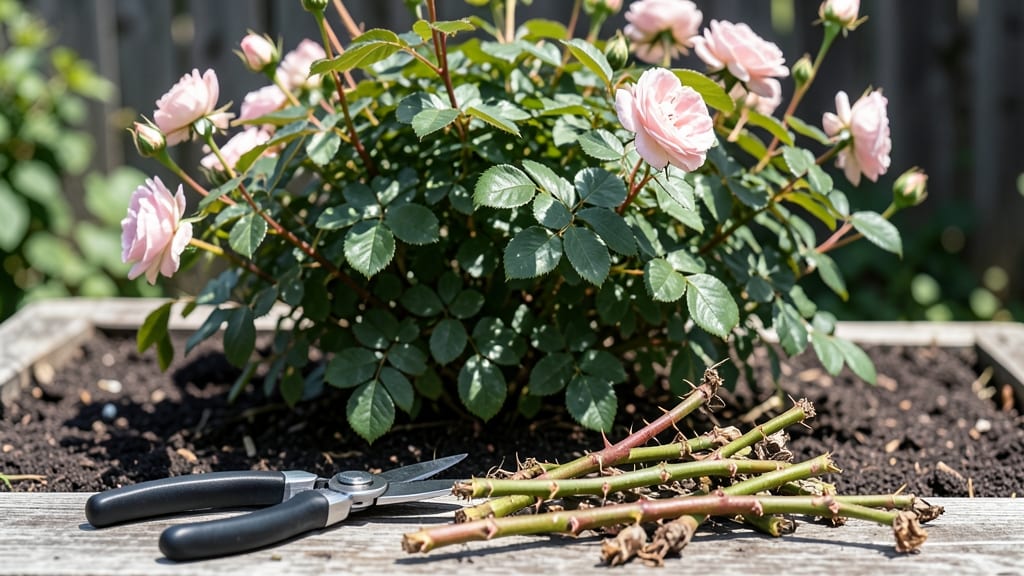
Trimming knockout roses in summer is the secret to turning them into nonstop flowering machines—no more waiting for winter! ✂️
The secret lies in deadheading spent blooms and shaping growth just right—never more than a third of the plant at once. My roses now produce three times as many flowers as they did before, and the shape stays compact without sacrificing vigor.
The key is timing: prune after blooms fade but before new buds form.
You’ll end up with roses that bloom from May through frost, resist pests better, and stay bushier than ever. The process takes less than 20 minutes per bush, and you’ll avoid the leggy, sparse growth that happens when you skip summer maintenance.
Works in any climate—just adjust for heat or humidity. Here’s how to do it without cutting too much (or too little). Let’s get those roses thriving!
📚 In This Guide
- What you need
- Instructions
- Tips and common mistakes
- Wrapping up and next steps
What you need
- ● Bypass pruners – Sharp, clean pruners (1 pair) for clean cuts on smaller stems.
- ● Loppers – Heavy-duty loppers (1 pair) for thicker branches (up to 1.5 inches in diameter).
- ● Garden gloves – A sturdy pair to protect your hands from thorns and dirt.
- ● Disinfectant (70% isopropyl alcohol or bleach solution) – A small spray bottle or cloth to sterilize tools between cuts.
- ○ Garden twine or rubber bands – For tying up branches if needed (optional but helpful for support).
- ● Garden waste bag or bucket – To collect pruned stems and debris.
- ● Hose or water source – For rinsing tools and refreshing plants post-pruning.
- ● Pruning saw – For any stubborn, thick stems that won’t budge with loppers.
- ● Hand pruners with a by-pass blade – If you prefer a more precise cut for delicate trimming.
- ● Plant food or compost – A quick boost of nutrients after pruning encourages new growth.
- ● Knee pads or a small stool – For comfort if your roses are tall or ground-level trimming is tough.
- ● Sunglasses and a hat – Because summer sun + pruning = potential squinting sessions.
How to trim Knockout roses in summer for continuous blooms
Here's my go-to method for keeping Knockout roses flowering all season—no fancy tools, just clean cuts and a little timing.
✂️ Step 1: Identify What to Cut (The 30-Second Rule)
Knockout roses bloom nonstop, so you'll see spent flowers constantly. The key is cutting right above a five-leaflet leaf cluster (that's where new growth emerges). Look for the first outward-facing bud below the dead bloom—this is your target spot.
If you're unsure, count leaves: a healthy leaf has 5-7 leaflets. Cut ¼ inch above that cluster. Never cut into bare wood or you'll lose next year's blooms. I always carry a small notebook to sketch the plant's shape first—this helps me visualize where to cut without over-pruning.
✂️ Step 2: Make Clean Cuts at the Right Angle
Use sharp, clean pruners (I swear by bypass pruners—they leave smoother cuts than anvil types). Angle your cut 45 degrees downward, about ¼ inch above the leaf cluster. This prevents water from pooling on the cut and causing rot.
If you're cutting a long stem, make the angle point away from the center of the plant. This directs new growth outward, creating a fuller, bushier plant. I like to wipe my pruners with rubbing alcohol between cuts—it keeps them sterile and prevents disease spread.
🌿 Step 3: Deadhead Regularly (The 10-Minute Weekly Habit)
Here's the thing—Knockout roses need deadheading every 7-10 days to keep blooming. Just pinch off spent blooms with your fingers or use pruners for thicker stems. You'll know you're doing it right when you see fresh buds forming within 2-3 weeks.
Don't wait until flowers are fully brown—cut when the petals start curling. This encourages the plant to redirect energy into new blooms instead of seed production. I set a phone reminder every Tuesday morning because that's when I notice the most spent blooms after the weekend.
☀️ Step 4: Watch for New Growth and Adjust
After pruning, watch for new shoots emerging from the leaf clusters you cut above. These are your signals that the plant is responding well. If you see leggy growth (long stems with few leaves), your roses need more sunlight—move them to a sunnier spot or thin nearby plants.
Knockout roses handle summer trimming well, but avoid heavy pruning after mid-August. This gives the plant time to harden off before winter. I always do a final light trim in early fall to remove any dead or diseased stems before the first frost.
⏰ Step 5: Time Your Watering Right After Trimming
Water deeply right after pruning to help the plant recover. The roots need moisture to support new growth, but don't overdo it—Knockout roses hate soggy soil. Water until you see 1 inch of soil absorb moisture, then let the top layer dry slightly before watering again.
I like to water in the morning so the leaves have time to dry before evening. Wet foliage at night invites fungal diseases, and Knockout roses are prone to powdery mildew if conditions aren't right. A light mulch around the base helps retain moisture while keeping roots cool.
Tips & tricks for perfect summer rose trimming
A few simple adjustments will keep your Knockout roses blooming like crazy all summer long.
Leaf Counting Trick: When identifying where to cut in Step 1, count the leaflets on a healthy leaf—there should be 5-7 per leaf. If you're unsure, snap off a small branch and count the leaflets to get comfortable. I've found that counting leaflets is more reliable than guessing at buds, especially on overcast days when buds aren't as visible.
Pruner Maintenance: In Step 2, clean your pruners thoroughly after each use—wipe them with rubbing alcohol or soapy water, then dry completely. I keep a small spray bottle of 70% isopropyl alcohol in my gardening toolbox for quick sanitizing between cuts. Sharp, clean pruners make cleaner cuts that heal faster and reduce disease risk.
Deadheading Schedule: The 7-10 day deadheading schedule in Step 3 works best if you stick to it religiously. I've noticed that Tuesday mornings are ideal because that's when I notice the most spent blooms after the weekend. Set a recurring reminder on your phone—it takes just 10 minutes and makes all the difference for continuous blooms.
Seasonal Timing: Avoid heavy pruning after mid-August as mentioned in Step 4. This gives your roses time to prepare for winter. I always do a final light trim in early fall to remove any dead or diseased stems before the first frost. This helps prevent winter dieback and keeps your plants healthier for next season.
Pro Tips for Trim Knockout Roses In Summer
- A few simple adjustments will keep your Knockout roses blooming like crazy all summer long.
- Leaf Counting Trick: When identifying where to cut in Step 1, count the leaflets on a healthy leaf—there should be 5-7 per leaf.
- Pruner Maintenance: In Step 2, clean your pruners thoroughly after each use—wipe them with rubbing alcohol or soapy water, then dry completely.
Frequently asked questions
Got questions about summer trimming for your Knockout Roses?
You’re not alone! Here are answers to the most common concerns—so you can keep those blooms coming strong all season.
When is the exact best time to trim Knockout Roses in summer?
Trim your Knockout Roses after they bloom—typically every 4–6 weeks. Look for spent flowers (deadheading) or leggy stems (light pruning). Avoid heavy cuts in extreme heat; early morning or late afternoon is ideal. Pro tip: If blooms slow down, a light trim can encourage new growth!
Can I cut too much off my Knockout Roses in summer?
Yes! Over-pruning stresses the plant. For Knockout Roses, never remove more than 1/3 of the plant’s height at once. Focus on deadheading (cutting just above a 5-leaflet leaf) and shaping. If you see bare stems, it’s a sign you’ve trimmed too aggressively. Rule of thumb: Less is more—patience pays off!
What should I do if my Knockout Roses get pests or diseases after trimming?
First, remove all infected leaves or stems (sterilize pruners with rubbing alcohol). For pests like aphids or spider mites, spray with soapy water or neem oil. Fungal issues? Improve airflow and avoid overhead watering. Prevention tip: Healthy plants resist pests—fertilize lightly and water at the base!
Do Knockout Roses need special care after summer trimming?
Yes! Water deeply before and after trimming to reduce stress. Mulch around the base to retain moisture and protect roots. Avoid heavy fertilizer right after pruning—wait 2–3 weeks. Bonus: A light layer of compost boosts recovery!
What if my Knockout Roses stop blooming after summer truning?
Don’t panic! Knockout Roses may take 2–4 weeks to rebound. Check for:
- Enough sunlight (6+ hours daily)
- Proper watering (1–1.5 inches/week)
- No overcrowding (prune nearby plants)
Wrapping up and next steps
Trimming your Knockout roses in summer isn’t just about tidying up—it’s your secret weapon for nonstop, vibrant blooms all season long! By mastering the art of deadheading and light pruning, you’ll keep those lush bushes thriving, encourage new growth, and even prevent pests or diseases.
Remember, consistency is key: a little effort now means months of stunning flowers to enjoy.
Ready to transform your garden? Grab your pruners and head outside—your roses are waiting! For extra confidence, bookmark this guide or snap a quick photo of your progress. Happy pruning! 🌸✂️