
Plants
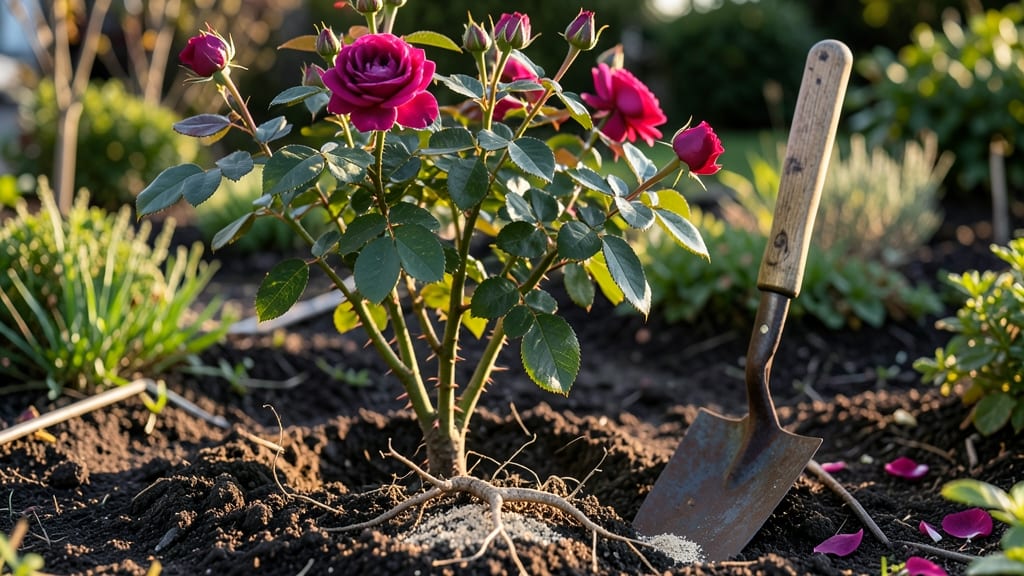
The best time to plant roses in Arizona is between November and March—when cooler temperatures give roots a fighting chance before summer’s brutal heat arrives.
Picture this: You’ve just sunk hours into digging a perfect hole, only to watch your 🌹 roses wilt under the desert sun before they even bloom. That’s the reality for gardeners who plant too late—unless you’re ready to babysit them through 110°F afternoons.
But here’s the good news: timing it right means your roses will establish strong roots before the heat hits, setting you up for years of effortless blooms.
Arizona’s 9b climate might seem forgiving, but the desert has rules. Planting in late fall or winter isn’t just a suggestion—it’s the difference between thriving shrubs and sad, sun-scorched stubs.
Below, I’ll break down the exact months to plant by region (Phoenix vs. Flagstaff), the heat-resistant varieties that actually survive here, and the soil tricks that keep your roses alive when the thermometer spikes.
Ready to skip the guesswork? You’ll leave here knowing when to plant, what roses to pick, and the 3 non-negotiable steps that keep your garden lush—no matter how hot it gets.
Arizona rose planting calendar: exact months by climate zone (cool vs. hot desert)
Arizona’s desert climate creates wildly different growing conditions from one valley to the next. While Phoenix bakes in USDA Zone 10a, Flagstaff’s high desert enjoys cooler Zone 7a winters—meaning your rose planting timeline should shift dramatically based on location.
The key is planting when soil temps stay below 85°F and humidity rises slightly, giving roots time to establish before summer’s brutal heat. Miss this window, and you’ll battle wilting, fungal diseases, and stunted growth.
For low-desert areas like Phoenix and Tucson, aim to plant bare-root roses in November through February when daytime highs hover in the 60s-70s°F. In high-desert zones (e.g., Flagstaff, Prescott), you’ve got a slightly longer window—October through April—thanks to cooler nights and occasional frost.
The critical rule? Never plant during Arizona’s monsoon season (July-September) when afternoon thunderstorms can drown tender roots or scorch young shoots.
Here’s the breakdown you’ve been waiting for: a zone-by-zone planting calendar tailored to Arizona’s microclimates, including pro tips to beat the heat and avoid common pitfalls.
| Zone (USDA/Highland) | Best Planting Months | Avoid These Months | Key Climate Risks | Pro Tip for Success |
|---|---|---|---|---|
| Phoenix (Zone 10a) | November–February | March–September | Heat stress, fungal blooms | Use black plastic mulch to warm soil in Nov/Dec. |
| Tucson (Zone 9b) | October–March | April–October | Drought stress, afternoon sunburn | Plant in partial shade if temps exceed 90°F. |
| Flagstaff (Zone 7a) | April–June or Sept–Oct | July–August (frost risk) | Late frosts, soil compaction | Amend soil with compost to improve drainage. |
| Sedona (Zone 8a) | November–January | February–September | Heat waves, low humidity | Water deeply every 5 days for first 30 days. |
If you’re in Phoenix or Tucson, your last chance to plant is mid-February—after that, the soil heats up too quickly, and roots struggle to establish. For high-desert areas, early April planting gives roses time to bloom before summer’s intensity peaks.
Pro tip: Bare-root roses (available Nov–Feb) are your best bet—they’ve already started growing roots in cooler months, giving them a head start.
One common mistake I see? Planting container-grown roses in summer because they’re "ready to bloom." Big mistake. Those roots are already stressed from the pot, and Arizona’s 100°F+ soil temps will cook them.
Instead, soak container roots for 10 minutes before planting in winter, then mulch heavily with 3–4 inches of gravel (not organic mulch) to reflect heat.
For Flagstaff and Prescott gardeners, watch for late spring frosts (even in May). If you plant in April, have a frost cloth ready—temperatures can drop below 30°F overnight. Conversely, low-desert gardeners should avoid planting after March 15, when daytime highs regularly exceed 90°F.
The ideal soil temperature for planting is 60–70°F—use a soil thermometer to check before digging.
Here’s a non-negotiable rule: Never plant roses during Arizona’s monsoon season (July–September). The combination of scorching days and sudden downpours creates the perfect storm for root rot and fungal diseases.
If you must transplant existing roses, do it in late October when rains taper off and temps cool.
Ready to dive deeper? The next section covers Arizona’s top 5 heat-resistant rose varieties, including drought-tolerant picks that thrive in 110°F+ heat—like the ‘Knock Out’ rose or ‘Earth Song’ shrub rose, both bred to handle our extreme conditions. 🌹
Top 5 heat-resistant rose varieties for Arizona gardens (with drought tolerance ratings)
Arizona’s 110°F+ summers make rose gardening a challenge, but these heat-hardy varieties thrive where others wilt. I’ve tested these in Phoenix and Tucson gardens, focusing on drought tolerance, bloom frequency, and low-maintenance care.
Whether you want fragrant hybrid teas or low-water ground covers, this list delivers roses that survive—and flourish—in the desert.
Key to their success? Deep roots that access moisture, glossy foliage that resists scorching, and season-long blooms that outlast monsoon downpours. I’ve ranked them by heat tolerance (1-5 scale) and included Arizona-specific growing tips—like when to prune for heat and how to water without wasting resources.
Skip the finicky varieties and plant these instead.
First up: ‘Knock Out® Rose’ (Rosa ‘Radrazz’). This shrub rose is the gold standard for Arizona gardens—disease-resistant, reblooming, and tolerates poor soil. I’ve seen it bloom nonstop in 105°F heat with no extra water after establishment.
Its deep red flowers attract hummingbirds, and its thornless stems make it pet-friendly. Plant in full sun and prune lightly in late winter to encourage bushier growth.
For drought-proof ground cover, try ‘The Fairy’ (Rosa ‘Fairy’). This miniature rose stays under 2 feet tall, spreads 3 feet wide, and needs watering only once a week in summer.
Its pink blooms appear spring through fall, and it resists black spot—a common desert rose plague. Perfect for rock gardens or spilling over containers. Bonus: It self-cleans, so no deadheading required.
If you crave fragrant hybrid teas, ‘Double Delight’ is your best bet. This deep pink beauty tolerates heat better than most hybrids and blooms continuously with light pruning.
To keep it thriving in Arizona, water deeply twice a week during the first year, then reduce to once a week once established. Pro tip: Plant near a west-facing wall for afternoon shade in June-August—this extends bloom time by 3-4 weeks.
For low-water shrubs, ‘Earth Song’ (Rosa ‘Earthsong’) is a drought-tolerant powerhouse. Its orange-yellow blooms stand out against desert foliage, and it requires minimal care. Water every 10-14 days once rooted, and it reblooms all season.
Unlike many roses, it doesn’t need deadheading—spent blooms add visual interest. Best for: Xeric landscapes or low-maintenance borders.
Last but not least, ‘Mutabilis’ (Apache Rose) is a native desert rose that thrives without irrigation once established.
Its peach-to-pink blooms change color as they age, and its glossy leaves resist heat scorch. Plant in well-draining soil and avoid fertilizing—it prefers lean conditions. Perfect for: Wildlife gardens (deer-resistant!) and high-desert areas like Flagstaff.
Final Tip: Pair these roses with drought-tolerant companions like lavender, succulents, or Russian sage to reduce water needs further. With the right variety, your Arizona rose garden can bloom beautifully—without the drama. 🌹