
Pruning
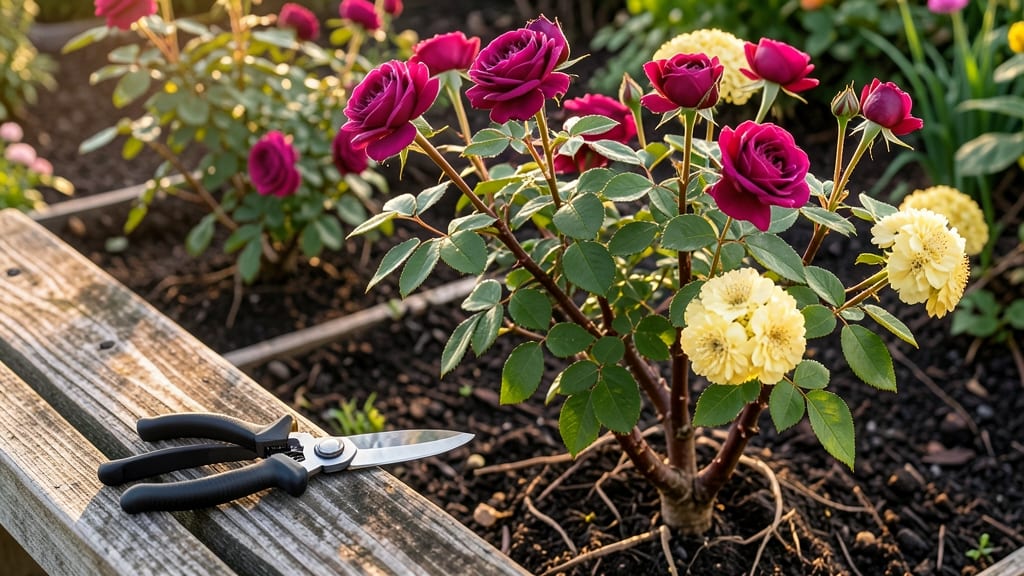
To prune roses in Zone 7, aim for late winter or early spring—just as the 🌹 buds swell but before new growth starts.
Timing is everything because pruning roses at the wrong moment can stress your plants, inviting pests and diseases while stunting next year’s blooms. I’ve seen Zone 7 gardeners rush the process after a warm February, only to watch their roses struggle when frost crept back in March.
Whether you’re dealing with hybrid teas, floribundas, or climbers, the key is knowing when your local frost date is and how your rose type blooms. Spring-bloomers need a clean cut in late winter, while repeat-bloomers get a second trim after their first flush.
Below, I’ll break down the exact months to prune in Zone 7, the tools you’ll need, and how to tell if you’ve pruned too early—or too late.
Best months to prune roses in Zone 7 for maximum blooms
Timing your rose pruning in Zone 7 is everything—get it wrong, and you risk stunted blooms or disease. The last frost date (around March 15) and first frost (around November 15) bookend your pruning windows.
For hybrid teas and floribundas, late winter to early spring is ideal, while climbing roses often need a gentler touch. Let’s break down the exact months and conditions for each pruning type.
Your Zone 7 climate offers two primary pruning windows: late winter/early spring (February–March) and fall (October–November). Spring pruning stimulates new growth and blooms, while fall pruning preps roses for dormancy. Hybrid teas and grandifloras thrive with aggressive spring pruning, but climbers and shrub roses benefit from lighter cuts.
Always prune on a dry, sunny day to reduce disease risk.
Why timing matters: Pruning too early exposes canes to late frosts, while waiting too long delays blooms. For repeat-blooming roses, prune after the second flush of flowers in late summer to encourage fall blooms. Old garden roses (like David Austins) often need minimal pruning—just remove dead wood. Let’s dive into the exact schedule for your roses.
For late winter pruning (February–March), aim to cut back hybrid teas and floribundas by ⅓ to ⅔ of their height.
Look for outward-facing buds when making cuts—this opens up the center for better airflow and fewer diseases. Climbing roses should only be pruned lightly in late winter to avoid sacrificing their structural canes. Always sterilize your pruners with rubbing alcohol to prevent black spot or powdery mildew.
Early spring (March–April) is your best window for climbers and shrub roses. Focus on removing dead, diseased, or crossing canes while shaping the plant. Avoid heavy pruning—just enough to open the center and reduce congestion. If you missed late winter, don’t panic: prune in early spring as long as the soil is workable and frosts are behind you. Zone 7’s unpredictable frosts mean waiting until mid-March is safer than rushing in February.
Fall pruning in October–November is often overlooked but crucial for Zone 7 roses. Lightly trim dead wood and weak growth to reduce winter stress. Avoid heavy cuts—roses need energy reserves for dormancy. Mulch heavily after pruning to insulate roots from freezing temps.
For repeat-blooming varieties, a light summer pruning (July–August) after the second bloom flush encourages fall flowers before winter.
Pro tip: Label your roses before pruning! Hybrid teas and grandifloras need aggressive cuts, while climbers and old garden roses require gentler shaping. Use a 5-degree angle when cutting and leave ¼-inch above an outward-facing bud to direct growth outward. Disinfect tools
Step-by-step pruning guide for Zone 7 roses by season
Pruning your Zone 7 roses at the right time ensures they produce vibrant blooms and stay healthy. Unlike other plants, roses require seasonal pruning to encourage new growth and prevent disease.
In Zone 7, where last frosts typically hit around mid-March, timing is everything—prune too early, and you risk damaging tender canes; too late, and you delay spring blooms.
Each pruning season serves a unique purpose: late winter/early spring prepares roses for new growth, summer maintains shape and removes dead blooms, and fall promotes winter hardiness. Whether you’re working with hybrid teas, floribundas, or climbing roses, the techniques remain similar but the timing varies slightly.
Let’s break down the step-by-step process for each season.
Goal: Remove dead/diseased wood and shape for new growth.
- ✂️ Cut back dead or blackened canes to healthy wood.
- ✂️ Make cuts at a 45-degree angle, ¼-inch above an outward-facing bud.
- 🌱 Remove weak, crossing, or inward-growing branches to improve airflow.
Goal: Deadhead and maintain shape for continuous blooms.
- ✂️ Trim spent blooms just above the 5-leaflet leaf.
- 🌿 Lightly prune overgrown branches to encourage bushier growth.
- 🚫 Avoid heavy pruning—this stresses the plant mid-season.
Goal: Prepare roses for winter dormancy.
- ✂️ Remove diseased or weak canes but leave healthy stems for winter protection.
- 🌿 Shorten long branches by ⅓ to reduce wind damage.
- 🪴 Mulch heavily around the base after pruning to insulate roots.
When pruning, always use sharp, clean tools—dull shears crush stems, inviting pests and disease. Look for healthy canes (green, flexible wood) versus dead wood (brown, brittle, or hollow). A simple scratch test works: scrape the bark—green underneath means life; black or mushy means remove it.
For climbing roses, focus on training new canes along supports while thinning older growth.
After pruning, apply a balanced fertilizer (like 10-10-10) in early spring to fuel new growth. In Zone 7, where summers can be hot, water deeply after pruning to help roses recover.
Avoid pruning during hot afternoons—stick to mornings when temperatures are cooler, reducing stress on the plant. With these steps, your roses will reward you with bountiful blooms all season long.
Remember, consistency is key. Prune at the same time each year, and your roses will thrive with minimal effort. Happy pruning! 🌿