
Flowers
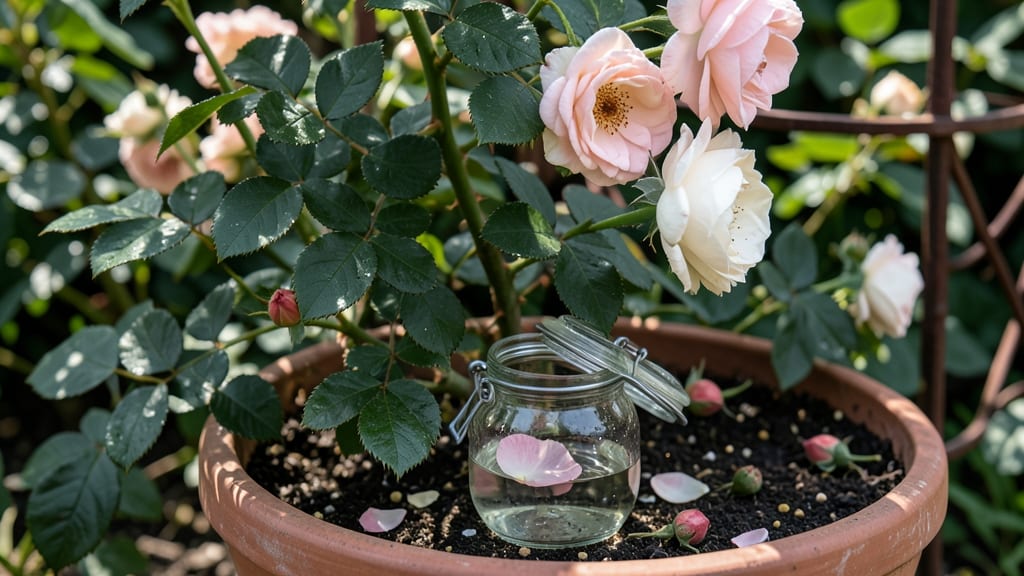
Rose flowers absolutely have a distinctive smell, from sweet floral notes to spicy or musky undertones depending on the type. These captivating aromas come from natural oils in the petals that release volatile compounds, making them some of the most fragrant blooms in gardens.
Roses produce their signature scent through specialized cells in their petals that manufacture aromatic oils like geraniol and citronellol. 🌹 These compounds don't just create fragrance—they also attract pollinators and deter pests, which explains why roses have been cultivated for thousands of years specifically for their intoxicating aroma.
The intensity varies dramatically between varieties, with hybrid teas often delivering the strongest perfumes while some modern cultivars prioritize disease resistance over scent.
What makes rose fragrance particularly fascinating is how environmental factors influence it. Temperature, sunlight exposure, and even soil composition can affect scent production. For example, roses grown in cooler climates often develop more concentrated aromas because their metabolic processes slow down, concentrating the volatile oils.
This is why many rose enthusiasts swear by early morning picking—the cooler temperatures preserve the fragrance at its peak intensity.
💡 In This Article
- How Rose Fragrance Develops: Science Behind the Scent
- Choosing Fragrant Roses for Your Garden
How rose fragrance develops: science behind the scent
The intoxicating aroma of roses comes from specialized structures called osmophores located on the petal surfaces.
These microscopic cells produce volatile organic compounds (VOCs) like geraniol (smells like roses) and citronellol (citrusy undertones), which evaporate at room temperature. 🌹 The concentration of these oils can reach 0.02-0.05% of the petal's dry weight—meaning just 20-50 parts per million of these compounds create that signature scent!
For comparison, jasmine needs only 10 parts per million of benzyl acetate to smell equally potent.
Different rose varieties produce fragrances through distinct chemical pathways. Hybrid teas, like 'Double Delight,' contain 20-30% more geraniol than climbers, giving them that classic "rose garden" smell.
Old garden roses, such as 'Souvenir de la Malmaison,' often have higher levels of phenylethyl alcohol (a floral-almond note), while modern shrub roses may prioritize disease resistance over scent production.
The scent intensity also peaks 2-3 hours after sunrise when temperatures are coolest, which is why morning picking preserves the strongest aroma.
Temperature plays a crucial role in scent release. At 68°F (20°C), rose petals release VOCs most efficiently, but below 50°F (10°C), the oils become trapped in the petal's waxy layer.
This is why roses smell faintest on cold mornings—until sunlight warms them. 🌞 The same principle explains why rose-scented products often use synthetic geraniol, which evaporates at a consistent rate regardless of temperature, unlike natural oils that fluctuate with environmental conditions.
Even the rose's color influences fragrance. Darker petals, like those on 'Black Baccara,' contain anthocyanins that may slightly mask scent by absorbing certain light wavelengths, while pale pink roses like 'Iceberg' release more geraniol per square inch of petal.
The scent's complexity also changes with age—fresh blooms emit 2-3x more VOCs than wilting ones, which is why florists recommend cutting stems at an angle to maximize water uptake and prolong fragrance.
What's truly remarkable is how these compounds work together. Geraniol provides the primary rose note, while trace amounts of linalool (lavender-like) and nerol (orange blossom) create depth. Some roses, like 'Louis Philippe,' even contain ionone, which gives a violet-like undertone.
This chemical symphony is why rose fragrance has been used in perfumery since ancient Egypt—where it was valued at 10x the cost of gold by Cleopatra.