
Container Gardens
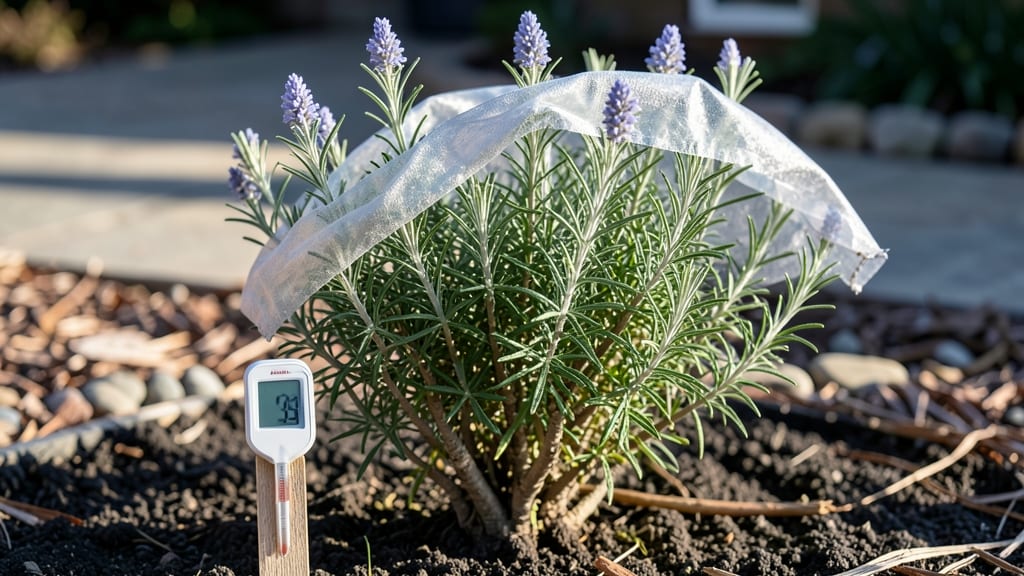
The lowest temperature rosemary can tolerate is 0°F (-18°C) once fully established, but young plants should be protected if temperatures drop below 15°F (-9°C). Hardy varieties like 'Arp' or 'Hill Hardy' can endure even colder conditions with proper winter care.
Rosemary's cold hardiness comes from its waxy leaves and woody stems, which help retain moisture and insulate the plant. 🌿 However, the real key is maturity—young plants lack the resilience of established ones, making them more vulnerable to frost damage.
For container-grown rosemary, moving pots closer to the house or wrapping them in burlap can make a huge difference during sudden cold snaps.
I’ve seen 'Hill Hardy' rosemary survive down to -20°F (-29°C) when properly mulched and sheltered, proving that with the right care, even harsh winters won’t kill your plants.
If you're in a zone where temperatures regularly drop below 15°F (-9°C), consider planting hardy varieties like 'Hill Hardy' or 'Arp,' which are specifically bred to withstand colder climates. These types develop thicker stems and more robust root systems over time, giving them a natural advantage.
For tender varieties, like 'Tuscan Blue,' you’ll need to take extra precautions, such as covering plants with frost cloth or bringing containers indoors before the first frost hits.
💡 In This Article
- How Cold Tolerance Varies in Rosemary Types
- Winterizing Rosemary: Step-by-Step Cold Protection Guide
How cold tolerance varies in rosemary types
Rosemary’s cold resistance stems from its unique cellular adaptations and chemical composition. The plant’s thick, waxy cuticle and dense leaf structure act like a natural insulator, reducing water loss and protecting delicate tissues from freezing.
Inside those leaves, rosemary produces high concentrations of essential oils—particularly camphor and pinene—which act as antifreeze agents, lowering the freezing point of water within the plant cells. 🌿 This is why mature rosemary can survive 0°F (-18°C) without damage: its cells remain hydrated longer than those of less resilient plants.
The real difference lies in the plant’s maturity and variety. Young rosemary seedlings lack the thick stems and deep root systems of established plants, making them more susceptible to frost damage.
For example, a 1-year-old rosemary plant might suffer leaf burn at 20°F (-7°C), while a 3-year-old plant of the same variety could handle -10°F (-23°C) with proper care.
Hardy varieties like 'Hill Hardy' or 'Arp' take this a step further—their genetic makeup allows them to develop even thicker stems and more robust root systems, enabling survival down to -20°F (-29°C) in ideal conditions.
On the other end of the spectrum, tender varieties like 'Tuscan Blue' or 'Blue Spires' have stunning foliage but lack the cold hardiness of their hardy counterparts. These types typically struggle below 15°F (-9°C), with leaves turning black and stems becoming mushy if exposed to prolonged frost.
The key distinction isn’t just temperature tolerance but how quickly the plant can recover. Hardy rosemary may lose some leaves in winter but regrows vigorously in spring, while tender varieties often require complete replanting after frost damage. 💛
Another critical factor is the plant’s growth habit. Upright varieties like 'Hill Hardy' grow taller and develop a woody base that stores nutrients, helping them withstand cold better than trailing types.
Trailing rosemary, such as 'Prostratus,' has a lower center of gravity, making it more vulnerable to frost creep—where cold air settles and damages the lower stems. This is why pruning trailing varieties to maintain an upright form can improve their cold resilience by 5-10°F (3-5°C).
For container-grown rosemary, the pot size and soil type also influence cold tolerance. Larger containers (at least 12 inches in diameter) allow roots to establish deeper, accessing warmer soil layers.
Adding 1 part perlite to the potting mix improves drainage and prevents soil from becoming waterlogged, which can freeze and damage roots. In contrast, small pots or heavy clay containers conduct cold more efficiently, making the plant more susceptible to frost damage. 🌱
Understanding these variations helps you choose the right rosemary for your climate. If you live in USDA zones 6-7, where winter lows can drop to -10°F (-23°C), opt for hardy varieties and use winterizing techniques.
For milder climates (zones 8-10), even tender varieties can thrive with minimal protection, allowing you to experiment with different types for culinary or ornamental purposes.