
Planting
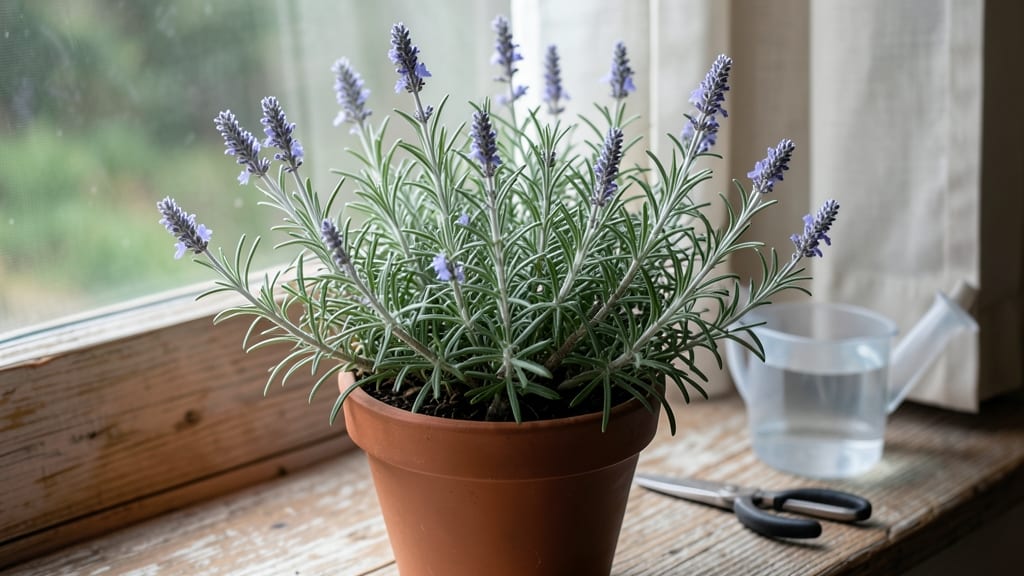
A rosemary plant’s lifespan can stretch for decades with the right care, turning your kitchen herb into a long-term garden treasure.
Did you know rosemary can live for decades with the right care? This hardy herb isn’t just a kitchen staple—it’s a long-term investment that rewards patient gardeners with fragrant foliage and bountiful harvests year after year.
Whether you’re growing it in pots on a windowsill or planting it in well-draining soil outdoors, understanding its needs is key to maximizing its potential. From sunlight exposure to pruning techniques, small adjustments can mean the difference between a thriving plant and one that fades too soon.
In this guide, I’ll break down how long rosemary typically lives, the factors that extend its life, and the signs it’s aging so you can keep your 🌿 plant healthy for years to come.

How long does a rosemary plant typically live indoors and outdoors?
Rosemary is one of those remarkably resilient herbs that can thrive for decades with proper care. Whether you're growing it in sunny outdoor beds or cozy indoor pots, understanding its natural lifespan helps you maximize its potential.
In ideal conditions, rosemary can live 10-20 years or longer, making it a perennial favorite for gardeners.
Outdoor rosemary plants often outlive their indoor counterparts because they have more space to grow and access to natural sunlight and airflow. However, even container-grown rosemary can live 5-10 years with attentive care.
The key difference lies in root space, pruning habits, and environmental stressors, which we'll explore further.
Here’s a quick comparison of rosemary’s lifespan based on growing conditions:
| Growing Condition | Typical Lifespan | Key Factors for Longevity | Maintenance Needs |
|---|---|---|---|
| Outdoor (Ground-Planted) | 10–20+ years | Full sun, well-draining soil, cold-hardy zones (USDA 7-10) | Minimal; prune annually, mulch in winter |
| Outdoor (Container-Grown) | 5–10 years | Large pot (12"+ diameter), regular pruning, winter protection | Repot every 2–3 years, fertilize lightly in spring |
| Indoor (Window-Grown) | 3–7 years | South-facing window, 6+ hours sunlight, humidity control | Prune leggy growth, rotate pot monthly, avoid overwatering |
| Indoor (Grow Lights) | 4–8 years | 12–14 hours LED light, well-draining mix, consistent temps | Fertilize every 6 weeks, prune to maintain shape |
Outdoor rosemary plants in USDA zones 7-10 often become perennial powerhouses, returning year after year with minimal care. In colder climates (zones 5-6), rosemary may die back in winter but regrows from the roots in spring, extending its lifespan significantly.
The older the plant, the more woody its stems become, which is natural—just prune back to encourage new growth.
Indoor rosemary faces more challenges due to limited space and artificial light. Without proper care, its lifespan shrinks to 3-5 years as it becomes leggy and weak.
However, with a south-facing window and regular pruning, you can easily double that lifespan. The key is mimicking outdoor conditions as closely as possible.
One common misconception is that rosemary is a short-lived annual. In reality, it’s a perennial herb that thrives when given the right conditions. Even in containers, rosemary can live over a decade if you repot it every few years to refresh the soil and roots.
The older the soil, the more nutrient-depleted it becomes, accelerating decline.
Climate plays a huge role in rosemary’s longevity. In hot, dry climates, rosemary can live 20+ years with almost no care, while humid or rainy regions may shorten its lifespan due to fungal risks or root rot.
Always choose a well-draining soil mix and avoid soggy conditions to prevent premature death.
Pruning is another critical factor for extending rosemary’s life. Regularly trimming back woody stems and overgrown branches encourages bushier, healthier growth. I like to prune my rosemary in early spring to stimulate new shoots and maintain its shape.
Never let it grow completely wild, as this stresses the plant and reduces its lifespan.
If your rosemary starts to slow down after 5-10 years, don’t despair—it’s not necessarily dying. Instead, it may be time to propagate new cuttings from the old plant.
This way, you can renew its vigor while keeping the original’s legacy alive. Many gardeners treat rosemary like a long-term garden heirloom, passing cuttings down through generations.
To maximize your rosemary’s lifespan, focus on these three pillars: sunlight, drainage, and pruning. With these in place, your rosemary can thrive for years, rewarding you with fragrant sprigs for soups, stews, and cocktails. Happy growing! 🌿
Key factors that extend or shorten rosemary plant lifespan
Rosemary's remarkable lifespan of 10-20 years (or longer!) depends entirely on how well you meet its core growing needs. Unlike many herbs, rosemary thrives when treated as a perennial shrub rather than an annual.
The difference between a decades-long plant and one that declines after 2-3 years often comes down to just a few critical care habits.
I've learned through years of growing rosemary that sunlight exposure is the #1 factor in longevity. This Mediterranean native demands 6+ hours of direct sun daily—any less and you'll see stunted growth and woody stems develop prematurely.
Even in USDA Zone 6a, where I garden, my healthiest rosemary bushes get full morning sun and afternoon shade in summer to prevent heat stress.
⚠️ WARNING: Common Mistakes That Kill Rosemary ⚠️
Overwatering is the #1 silent killer
Rosemary's shallow roots rot quickly in waterlogged soil. I've lost multiple plants by letting them sit in moisture-retentive containers—even with drainage holes! The solution? Well-draining soil mixed with perlite or coarse sand (30% amendment) and watering only when soil is bone-dry 2-3 inches down.
✅ DO: Water deeply but infrequently (every 10-14 days in summer)
❌ DON'T: Let soil stay damp for more than 48 hours at a time
Soil health is equally critical—rosemary hates soggy, nutrient-rich soil. In fact, over-fertilizing can shorten its lifespan by encouraging soft, weak growth that's prone to disease. I use a minimalist approach: compost-amended sandy loam with a pH of 6.0-7.0.
A light feeding of 10-10-10 fertilizer (1 tbsp per plant) in early spring is all my mature rosemary needs—any more risks burning the roots.
Pruning isn't just about shaping—it's a longevity strategy. I prune my rosemary twice yearly: lightly in spring to encourage new growth and heavily in late summer to remove woody stems.
The key is never cutting into old wood—always leave green growth to propagate. This keeps the plant youthful and prevents the center die-out that signals aging.
Seasonal adjustments prevent winter dieback in colder climates. In Zone 6a, I mulch heavily with straw or pine needles (3-4 inches) before first frost to insulate roots. For potted rosemary, I move containers to unheated garages where temps stay above 20°F.
The goal is to minimize stress—rosemary can survive -10°F if roots stay dry, but wet cold is deadly.
Finally, pest prevention extends lifespan by years. Spider mites and aphids weaken rosemary by sucking sap from new growth. I use neem oil spray (1 tsp per quart of water) monthly in summer and release ladybugs at first sign of infestation.
Healthy rosemary repels most pests naturally, but stressed plants become magnets for insects.
When all these factors align, my 15-year-old rosemary bush still produces fragrant sprigs year-round—proof that with consistent care, rosemary can outlive gardeners! The secret? Observation and adaptation—each plant tells you what it needs through its growth patterns. 🌿