
Diseases
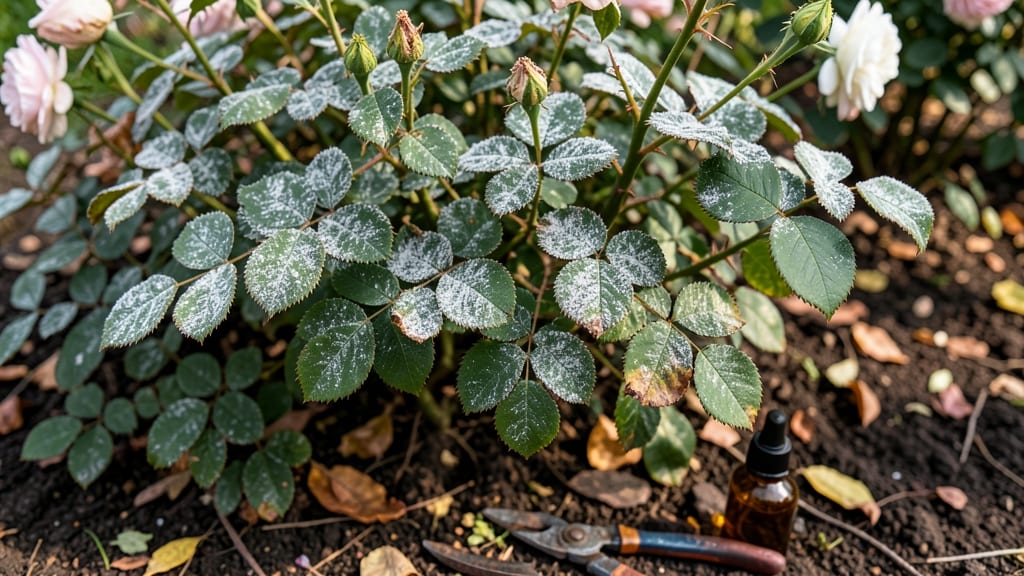
That white powdery film on your rose leaves isn’t dust—it’s mildew, and it’s stealing your roses’ vitality. 🌿 I’ve battled this stubborn fungus for years, and neem oil isn’t just a treatment; it’s the game-changer that saved my hybrid teas from looking like they’d been dusted with flour.
The key? Spraying at the right time, with the right mix, and understanding why it keeps coming back.
Most gardeners make one critical mistake: waiting until the mildew’s spread before acting. By then, the fungus has already weakened your plants, making them susceptible to black spot and other diseases.
Neem oil works because it disrupts the mildew’s life cycle before it gets a foothold—plus, it’s organic, safe for bees, and won’t leave chemical residues on your blooms. You’ll see results within 7-10 days if you’re consistent.
Here’s the best part: once you master this method, your roses won’t just survive—they’ll thrive. Leaves stay deep green and glossy, buds open without powdery residue, and your plants put all their energy into vibrant blooms, not fighting off infections.
The secret’s in the timing (early morning sprays) and the follow-up (pruning infected leaves before they spread).
This works for all rose types—hybrid teas, floribundas, even climbers—but the trick is adapting the spray schedule to your climate. Humid summers? You’ll spray more often. Dry heat? Less. Either way, your roses will look like they’ve been pampered by a pro, not neglected by a busy gardener.
Understanding the Root Causes
Mildew on rose leaves isn’t just an unsightly nuisance—it’s a fungal party crashing your garden’s vibe. 🌱🍄 To tackle it effectively, you need to know why it shows up in the first place. Here’s a breakdown of the key culprits, explained in plain terms with science-backed insights.
Roses love to breathe, but mildew thrives in stagnant, damp air. When humidity hovers above 75%—especially in shaded or crowded garden spots—fungal spores get cozy and multiply like rabbits. Poor airflow traps moisture against leaves, creating the perfect petri dish for mildew.
Why it happens:
- High humidity (think: morning dew lingering all day) weakens the leaf’s protective cuticle, making it easier for spores to latch on.
- Overcrowded plants block sunlight and airflow, slowing evaporation and keeping leaves damp longer.
- Shady spots (where sunlight can’t dry surfaces) extend the window for fungal growth.
Actionable fix: Space roses 3–4 feet apart, prune for better airflow, and water early in the day so leaves dry by evening.
Roses are thirsty, but drowning them is a one-way ticket to mildew town. When leaves stay wet for more than 6–8 hours, fungal spores germinate and spread. Overhead watering (especially in the evening) turns leaves into soggy sponges.
Why it happens:
- Excess moisture on leaves creates a film that spores cling to, using it like a fungal lifeline.
- Frequent light waterings (instead of deep, infrequent ones) keep the soil surface damp, encouraging fungal growth at the base.
- Poor drainage in containers or soil traps water, forcing roots to sit in soggy conditions.
Actionable fix: Water at the base, not the leaves, and use drip irrigation or soaker hoses. If your roses are potted, ensure pots have drainage holes and elevate them slightly.
Mildew spores are everywhere—in the soil, on tools, and even in the wind. Once they land on a susceptible rose leaf, they germinate if conditions are right (see: humidity + moisture). Some roses are more prone due to genetic susceptibility, while others build resistance over time.
Why it happens:
- Spores hitchhike on tools, clothing, or even birds, landing on fresh leaves.
- Old plant debris (like fallen leaves or spent blooms) harbors spores, reinfecting new growth.
- Stressed plants (from drought, poor soil, or pests) have weakened defenses, making them easy targets.
Actionable fix: Clean up fallen leaves and debris regularly, disinfect pruners with rubbing alcohol, and choose resistant rose varieties (like ‘Knock Out’ or ‘Dr. Huey’).
Mildew loves warm, humid weather—think late spring to early fall. While it can strike in cooler months, mild temperatures (60–80°F) with high humidity are its sweet spot. Sudden temperature swings (like cool nights after hot days) also stress roses, making them more vulnerable.
Why it happens:
- Warm nights slow evaporation, keeping leaves damp longer.
- Rainy seasons (especially without breaks) create prolonged moisture.
- Greenhouse or indoor roses (with high humidity) are at higher risk year-round.
Actionable fix: Use shade cloth in peak heat/humidity, improve airflow with fans (yes, really!), and avoid mulching too close to stems to prevent moisture buildup.
Roses that are starving, thirsty, or battling pests are like open invitations to mildew. Poor nutrition weakens leaves, making them easier prey. Specifically, low nitrogen (for leaf growth) or phosphorus/potassium imbalances reduce a rose’s ability to fight off fungi.
Why it happens:
- Compacted or poor soil limits root access to nutrients and water.
- Pests (like aphids) damage leaves, creating entry points for spores.
- Over-fertilizing with nitrogen (without balancing other nutrients) leads to soft, weak growth.
Actionable fix: Test your soil and amend with compost or a balanced fertilizer (10-10-10). Prune damaged leaves and treat pest outbreaks early to prevent secondary infections.
Mildew often strikes roses that haven’t been proactively protected. Without fungicides, mulching, or cultural practices, spores get a free pass to colonize.
Why it happens:
- No fungicidal sprays (like neem oil or sulfur) leave roses defenseless.
- Improper mulching (too thick or against stems) traps moisture.
- Ignoring early signs (like white powdery patches) lets it spread unchecked.
Actionable fix: Apply preventive sprays (neem oil or baking soda mix) every 7–10 days during high-risk seasons. Use 2–3 inches of mulch (but keep it away from stems) to regulate soil moisture.
Key Takeaway: Mildew is a team effort—humidity, water, spores, and stress all play a part. But by addressing these root causes, you can starve out the fungus before it takes over. Next up: how to kick mildew to the curb with neem oil and other natural fixes! 🌿✨
Quick Fixes for Fungal Leaf Spots
Mildew and fungal spots on rose leaves can feel like a losing battle, but with the right approach, you can restore your roses to their vibrant best. Below are targeted solutions based on the most common causes—from poor airflow to overwatering—along with prevention tips to keep your roses healthy long-term.
Let’s tackle this step by step!
Problem: Dense foliage traps moisture, creating the perfect breeding ground for mildew. Fix:
- 🔪 Trim back overgrown branches to improve airflow. Aim for a U-shaped bush (open in the center) to allow sunlight and air to circulate.
- Remove diseased leaves immediately—don’t compost them! Toss them in the trash to prevent reinfection.
- Space out new roses at least 3–4 feet apart when planting to avoid future crowding.
💡 Pro Tip: If your roses are in containers, thin out stems and consider repotting if roots are tangled. A little elbow grease now saves headaches later!
Problem: Wet leaves for too long (especially in evening hours) encourage fungal growth. Fix:
- Water at the base (not overhead) using a soaker hose or drip irrigation. Aim for deep but infrequent watering—roses prefer 1–1.5 inches per week, including rain.
- Water early in the day (before 10 AM) so leaves dry quickly. Avoid evening watering, which keeps foliage damp overnight.
- Improve drainage by amending soil with compost or perlite if your garden retains too much moisture.
✨ Bonus: Mulch around the base of your roses with 2–3 inches of organic mulch (like shredded bark) to reduce soil splashing onto leaves.
Problem: Mildew and spots have taken hold, and you need a natural, effective treatment. Fix:
- Mix neem oil solution:
- 1 tbsp neem oil
- 1 tsp mild dish soap (as an emulsifier)
- 1 quart water
- Stir well and spray on both sides of leaves (including undersides where spores hide).
- Apply in the evening (to avoid sunburn from oil) and repeat every 7–10 days until new growth is mildew-free.
- For severe cases, add 1 tbsp baking soda to the mix (test on a small leaf first to avoid burns).
🌡️ Important: Neem oil works best in warm, dry conditions (60°F+). If humidity is high, reapply more frequently.
Once you’ve treated the mildew, break the cycle with these long-term strategies:
- 🌞 Choose resistant varieties: Some roses (like ‘Knock Out’ or ‘Dr. Huey’) are naturally mildew-resistant.
- 🍂 Clean up fallen leaves regularly—fungi love hiding in leaf litter.
- 🌱 Feed roses with balanced fertilizer (10-10-10) in early spring to boost their natural defenses.
- 🌬️ Avoid overhead sprinklers—opt for micro-sprinklers that water soil instead of foliage.
If mildew keeps returning despite your efforts, consider:
- Fungicidal sprays (like copper fungicide) for stubborn cases.
- Removing severely infected plants to protect your garden (sometimes sacrifice is necessary!).
With these practical fixes, your roses will bounce back stronger—and you’ll be the hero of your garden! 🌹💪
Frequently asked questions
Why does mildew appear on rose leaves even when I water them properly?
Mildew thrives when leaves stay damp for more than 6-8 hours, regardless of watering method. Even with proper watering, high humidity (above 75%) or shady conditions can create the perfect environment. The key is ensuring leaves dry quickly—water in the morning and avoid overhead watering. Poor airflow from crowded plants also traps moisture, so prune to improve circulation.
Can I still use my rose leaves for tea or remedies if they have mildew?
No, you should never use mildew-infected leaves for tea or remedies. The fungus can release toxins when ingested, and the leaves may harbor harmful bacteria. Always remove and dispose of infected leaves in the trash (not compost) to prevent spreading spores. Harvest leaves only from healthy, mildew-free plants.
How often should I apply neem oil to prevent mildew?
For prevention, apply a neem oil spray every 7-10 days during high-risk seasons (spring to early fall). If you're treating active mildew, spray every 5-7 days until new growth appears clean. Always apply in the evening to avoid sunburn from the oil. Mix 1 tbsp neem oil + 1 tsp mild soap + 1 quart water for best results.
Will mildew kill my rose bushes if I don't treat it?
While mildew rarely kills roses outright, it weakens plants by blocking sunlight and reducing photosynthesis. Severe infections can lead to leaf drop, stunted growth, and increased susceptibility to other diseases. Left untreated, mildew can spread to other plants in your garden. Early treatment with neem oil or sulfur sprays gives your roses the best chance to recover.
Are there mildew-resistant rose varieties I should consider?
Yes! Some varieties naturally resist mildew better than others. Consider 'Knock Out' roses, 'Dr. Huey', or 'Flower Carpet' series for better resistance. These varieties still need proper care but handle humidity better. When selecting new roses, look for labels mentioning disease-resistant or mildew-resistant traits. Even resistant varieties benefit from preventive sprays during humid seasons.