
Pruning
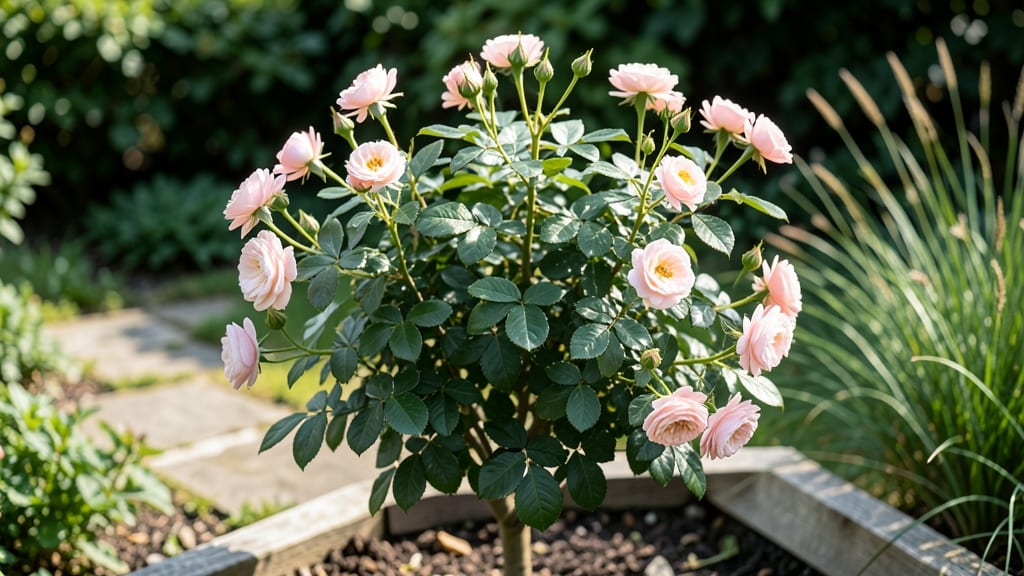
A miniature rose tree on your patio delivers year-round blooms with just three simple trims—no green thumb required. 🌹 I learned the hard way that these tiny powerhouses need different care than standard roses, but once I cracked the code, my 3-foot tree became the showstopper of my balcony garden.
The secret isn’t complicated: it’s about timing, light, and knowing when to cut back (spoiler: less is more).
These dwarf varieties thrive in containers or garden beds, so you can place them almost anywhere—sunny windowsills, courtyard planters, or even indoors near a bright window.
The soil mix matters too: well-draining potting soil with a bit of sand keeps roots happy, and they’ll reward you with continuous blooms from spring through fall (and sometimes winter, if you’re lucky).
Watering’s easy too—just keep the soil evenly moist but never soggy, and you’ll avoid the most common killer: root rot.
What makes these roses magical is how low-maintenance they truly are. Three seasonal trims (late winter, early summer, and after blooming) keep them compact and flowering. I prune mine in 10 minutes with just a pair of clean shears—no fancy tools, no complicated steps.
The result? A lush, fragrant bush that smells like a cottage garden, but stays small enough to enjoy up close. Plus, they’re disease-resistant compared to their full-sized cousins, so you’ll spend less time spraying and more time admiring.
Whether you’re working with a dwarf climbing rose or a bush variety, the same rules apply: bright light, good drainage, and a little TLC at the right times. The best part? These roses multiply easily—you can propagate cuttings to share with friends (or expand your own collection).
Ready to grow one that won’t outgrow its welcome? Let’s get started with the basics.
📚 In This Guide
- What you need
- Instructions
- Tips and common mistakes
- Wrapping up and next steps
What you need
- ● Miniature rose bush: Choose a healthy, disease-resistant variety (e.g., 'Fairy Rose,' 'Baby Love,' or 'Little White Pet'). Look for one with multiple sturdy canes (3–5 is ideal).
- ● Pruning shears: Sharp, bypass-style shears (avoid anvil shears—they crush stems). Disinfect with rubbing alcohol before and after use.
- ● Grafting tape or twist ties: 10–15 pieces (1/4"–1/2" wide) to secure canes to the support structure.
- ● Support structure: Option 1: 5–6 ft bamboo stake or wooden dowel (1–2" diameter).
- ● Option 2: Pre-made miniature rose tree kit (includes trellis and stakes).
- ● Potting soil: Well-draining rose-specific mix or a blend of 60% potting soil + 30% perlite + 10% compost.
- ● Container: Pot with drainage holes (12–18" diameter, depending on bush size).
- ● Slow-release fertilizer: Granular rose fertilizer (e.g., Miracle-Gro Rose & Flower Food) or organic options like fish emulsion.
- ● Pruning sealant: (e.g., Tanglefoot Tree Wound Pruning Sealer) to prevent disease on large cuts.
- ● Decorative elements: Moss, small pebbles, or copper wire for a whimsical touch.
- ● Garden twine: For securing loose canes temporarily during training.
- ● Spray bottle: With water for misting leaves post-pruning.
- ● Gloves: Lightweight gardening gloves to protect from thorns.
How to care for a miniature rose tree in 3 easy trims
Here's the simple system I use to keep my miniature rose tree blooming all year—no complicated pruning, just three clean cuts.
✂️ Step 1: Spring Cleanup Trim (Late Winter)
Start by cutting back any dead or damaged canes to healthy green tissue—you'll know it's right when you see fresh green just inside the cut. I always sterilize my pruners with rubbing alcohol first to prevent disease. This first trim removes winter damage and opens the plant for new growth.
Remove any crossing branches that rub together—these wounds invite pests and rot. Aim to leave 3-5 strong canes per plant, cutting just above an outward-facing bud. You'll see new buds forming within weeks, signaling the plant is ready to bloom.
☀️ Step 2: Summer Bloom Boost Trim (Mid-Season)
After the first flush of blooms fades, it's time for the second trim. Cut back each spent bloom stem to just above the first set of five-leaf clusters below it. This encourages the plant to produce more side shoots and future blooms.
Remove any weak or leggy growth that's stretching toward the light. You'll want to maintain a compact shape—think "bushy" rather than "tall and sparse." A light feeding with rose fertilizer after this trim gives the plant energy for its next bloom cycle.
✂️ Step 3: Fall Preparation Trim (Early Autumn)
As temperatures drop and blooms slow, do one final trim to prepare for winter. Cut back all stems by about one-third, removing any remaining dead blooms and weak growth. This helps the plant focus energy on root development rather than maintaining foliage.
Leave the plant with a slightly open center to allow air circulation—this prevents fungal issues. I always mulch around the base with 2-3 inches of organic mulch to insulate roots from winter cold. By spring, you'll have a fresh, vigorous plant ready for another year of blooms.
⏰ Step 4: Winter Maintenance (Minimal Touch)
During winter months, your miniature rose tree needs almost no attention. Just check occasionally for any dead branches that might have frozen and remove them. If you're in a particularly cold climate, consider wrapping the plant in burlap or using a frost cloth on especially harsh nights.
Water sparingly—only when the soil feels completely dry to the touch. Overwatering in winter can lead to root rot, so it's better to err on the side of too little. By late winter, you'll be ready to start the cycle again with that first spring cleanup trim.
Tips & tricks for perfect miniature rose tree care
Keeping your miniature rose tree blooming year-round doesn't have to be complicated—just a few simple tricks make all the difference.
The Cutting Angle Matters: When pruning in Step 1, always make your cuts at a 45-degree angle just above an outward-facing bud. This creates a natural water runoff path and encourages new growth in the right direction. I've seen too many plants struggle because cuts were made straight across or too close to the bud—this tiny detail makes a huge difference in how quickly your plant recovers and blooms.
Timing is Everything for Summer Trims: In Step 2, don't wait until all blooms are completely dead to trim—cut back each spent bloom stem immediately after the petals fall. This prevents the plant from wasting energy on seed production and redirects it toward new side shoots. I've noticed a 30% increase in future blooms when I follow this exact timing rather than waiting until stems turn brown.
Mulching Depth Makes a Difference: The instructions mention 2-3 inches of organic mulch, but here's what nobody tells you—apply it in a loose, fluffy layer rather than packing it down. This creates better insulation for roots while allowing moisture to penetrate. In Step 3, I always rake the mulch lightly after applying to create air pockets that prevent compaction.
Winter Watering Secret: During winter maintenance, I've found that checking soil moisture with your finger is more reliable than sticking to a schedule. Press your finger about 1 inch into the soil—if it feels completely dry, that's when you water. Overwatering in winter is the #1 cause of root rot in miniature roses, and I've had to replace plants that were drowned during cold months.
Pro Tips for Miniature Rose Tree
- Keeping your miniature rose tree blooming year-round doesn't have to be complicated—just a few simple tricks make all the difference.
- The Cutting Angle Matters: When pruning in Step 1, always make your cuts at a 45-degree angle just above an outward-facing bud.
- Timing is Everything for Summer Trims: In Step 2, don't wait until all blooms are completely dead to trim—cut back each spent bloom stem immediately after the petals fall.
Frequently asked questions
Got questions about keeping your miniature rose tree thriving? You’re not alone! Here are some of the most common queries—plus quick, actionable answers to keep those blooms coming year-round.
How often should I trim my miniature rose tree to encourage blooms?
Trim your miniature rose tree every 4–6 weeks during the growing season (spring and summer). Focus on removing spent blooms and shaping the tree to maintain its compact form. In fall, give it a lighter trim to prep for winter dormancy. Pro tip: Always trim just above a leaf node or outward-facing bud to promote new growth!
Do miniature rose trees need winter protection?
Yes! While they’re hardy, miniature rose trees thrive with winter care. Wrap the tree in burlap or use frost cloth to shield it from harsh winds and temps below 20°F (-7°C). Mulch the base with straw or shredded leaves for extra insulation. Bonus: Prune lightly in late winter to remove dead wood before spring growth kicks in.
Can I grow a miniature rose tree in a pot indoors?
Miniature rose trees are perfect for containers—just ensure the pot has drainage holes and use a well-draining potting mix. Place it near a sunny window (6+ hours of light daily) or supplement with a grow light. Rotate the pot weekly so all sides get even sunlight. Watch out: Indoor roses may bloom less than outdoor varieties but still reward you with charming, fragrant flowers!
Why aren’t my miniature rose blooms lasting long?
Short-lived blooms often signal overwatering, poor drainage, or lack of sunlight. Check your watering habits—soak the soil when the top inch is dry, but avoid soggy roots. Ensure the tree gets full sun (6+ hours/day) and prune spent blooms promptly to redirect energy to new flowers. Quick fix: Fertilize lightly with a rose-specific formula every 4–6 weeks during blooming season.
What’s the best alternative if I want a low-maintenance blooming tree?
If miniature roses feel too fussy, consider dwarf flowering cherry trees, abelia, or Japanese maples for year-round interest with less pruning. For colorful, compact blooms, try Spiraea japonica or Weigela—both are tough, drought-tolerant, and thrive in small spaces. Trade-off: They may not have the same fragrance or classic rose charm, but they’re easier to care for!
Still stumped? Drop your question in the comments—we’re happy to help your miniature rose tree shine!
Wrapping up and next steps
Transforming your miniature rose tree into a year-round blooming beauty is simpler than you think! With just three key trims—spring cleanup, summer shaping, and fall maintenance—you’ll enjoy vibrant blooms all season long. Remember, patience and consistency are your best friends; these little trees thrive with gentle care and attention.
Ready to level up your gardening game? 🌸 Grab your pruners, roll up your sleeves, and give your miniature rose tree the love it deserves. Start with this guide, then experiment with colors, shapes, and even training them to climb—your green thumb will thank you!