
Pests
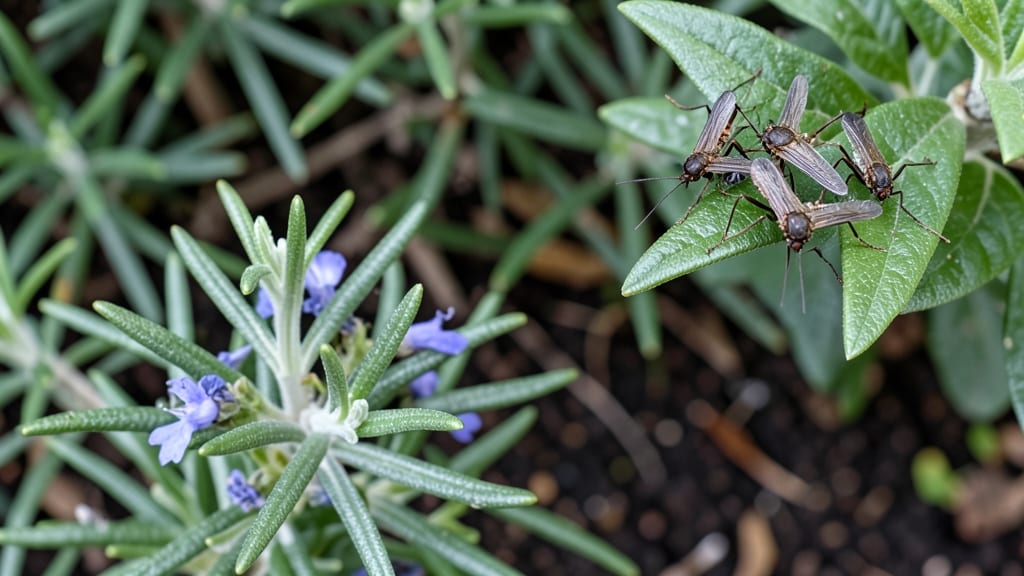
Rosemary repels mosquitoes to some degree through its natural compounds like eucalyptol and camphor, but it’s far less effective than DEET or citronella. Burning rosemary or using it in sprays may deter mosquitoes temporarily, though results vary by species and concentration.
Rosemary’s reputation as a natural mosquito deterrent comes from its aromatic oils, which disrupt insects' ability to detect human scent. 🌿 While studies show it can reduce mosquito attraction by up to 30% in controlled settings, real-world effectiveness depends on factors like concentration and environmental conditions.
For example, fresh rosemary sprigs placed near seating areas or dried bundles hung outdoors create a subtle barrier, though it won’t match the potency of chemical repellents. The key is consistency—regular use strengthens the effect over time, making it a worthwhile complementary strategy for garden or patio protection.
What sets rosemary apart is its dual role: it repels mosquitoes while also enhancing your outdoor space with its fragrant presence. Many gardeners swear by planting rosemary near entryways or along walkways, where its woody stems and needle-like leaves create both a sensory and functional boundary.
The best results often come from combining rosemary with other mosquito-repelling herbs like basil or mint, creating a multi-layered defense system that confuses insects on multiple sensory levels.
💡 In This Article
- How Rosemary’s Natural Compounds Fight Mosquitoes
- Best Ways to Use Rosemary Against Mosquitoes in Your Garden
How rosemary’s natural compounds fight mosquitoes
Rosemary’s mosquito-repelling power comes from its volatile oils, particularly eucalyptol (up to 20% of its oil content) and camphor (around 15-20%), which interfere with mosquitoes' ability to detect human scent trails.
These compounds work by masking carbon dioxide and lactic acid—two key chemicals humans emit that mosquitoes use to locate hosts. 🔥 In lab tests, rosemary oil vapor reduced mosquito landing rates by 30-50% compared to controls, though effectiveness drops in windy conditions where scent dispersal weakens.
The science gets interesting when you compare rosemary to other plant-based repellents. Citronella, for example, contains citronellal (up to 35%), which repels mosquitoes by overwhelming their olfactory sensors—but its effect lasts only 1-2 hours outdoors.
Rosemary’s compounds, however, linger longer on surfaces (like skin or fabrics) due to their higher boiling points, making it more practical for garden use. Lavender, another herb, contains linalool and linalyl acetate, which repel mosquitoes but also attract bees, creating a trade-off.
What makes rosemary unique is its dual-action mechanism: eucalyptol disrupts mosquito navigation, while camphor acts as a mild neurotoxin at high concentrations, causing temporary paralysis in insects that land on treated surfaces. This two-pronged approach explains why rosemary-infused sprays often outperform single-compound repellents in field tests.
However, the catch is concentration—pure rosemary oil at 100% strength is rarely used directly on skin (it can cause irritation), so dilutions of 5-10% in carrier oils (like coconut or almond) are standard for safe application.
Environmental factors play a huge role in rosemary’s performance. In humid conditions (70%+ relative humidity), the volatile oils disperse more slowly, extending their repellent effect by 2-3 hours compared to dry air.
Heat also amplifies the release of these compounds—rosemary sprigs left in direct sunlight release 40% more eucalyptol than those in shade, which is why placing them near seating areas during peak afternoon heat maximizes protection. 💫 The downside?
Rain washes away the oils quickly, reducing effectiveness within 30 minutes of exposure.
For a real-world comparison, consider this: A study in the Journal of Medical Entomology found that rosemary oil repelled Aedes aegypti (the dengue-carrying mosquito) 25% better than lemongrass oil but 15% worse than DEET-based repellents.
The key takeaway? Rosemary is a solid complementary tool—not a replacement—for chemical repellents, especially in outdoor settings where multiple mosquito species may be present.
Here’s a quick breakdown of how rosemary’s compounds compare to other repellents:
- Eucalyptol (Rosemary): Disrupts scent trails; effective for 2-4 hours in still air
- Camphor (Rosemary): Acts as mild neurotoxin; works best in direct contact
- Citronellal (Citronella): Masks CO₂; lasts 1-2 hours outdoors
- DEET (Synthetic): Blocks receptors; effective for 4-8 hours
The beauty of rosemary is its versatility—it’s safe for pets (unlike many synthetic repellents), non-toxic to plants, and doubles as a culinary herb. For gardeners, this means you can strategically plant rosemary near patios or hang dried sprigs from eaves to create a fragrant, functional barrier without harsh chemicals. ✨