
Container Gardens
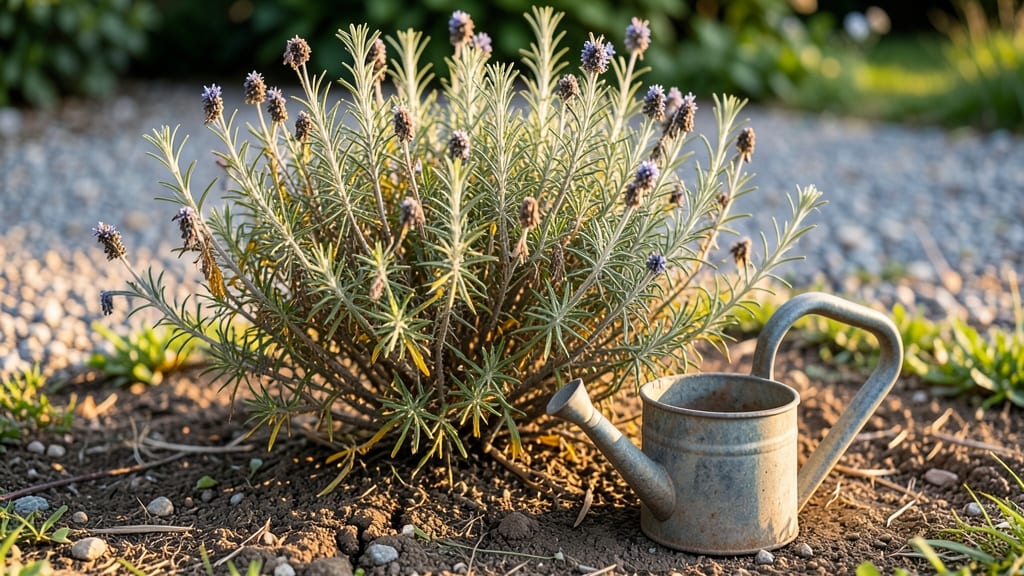
Your rosemary not growing might be getting too much love—or too little. 🌱 I’ve nursed back more than a few struggling rosemary plants, and the fixes are simpler than you’d think: soil that drains like a desert, sunlight that mimics its Mediterranean home, and watering that’s more "spritz" than "soak."
The good news? Reviving it takes just a few adjustments, not a full replant.
The biggest culprits are soggy roots and weak light. Rosemary hates wet feet—its roots rot faster than a forgotten salad—and it pouts when tucked in a shady corner. Even indoor plants need 6+ hours of bright light daily, or they’ll stretch leggy and stop growing.
Check your soil first: if it’s damp after 24 hours, you’re overwatering. If it’s bone-dry, you’re underwatering. The fix? Amend heavy soil with sand or perlite and move the plant to a sunnier spot.
Once you’ve adjusted the basics, watch for new growth in 2-3 weeks. Prune back any dead stems to encourage fresh shoots, and fertilize lightly with a low-nitrogen formula (rosemary doesn’t need much).
The payoff? A bushy, fragrant plant that thrives year-round—even if you’ve killed it before. Trust me, I’ve been there.
For stubborn cases, pests like spider mites or fungal spots might be the real problem. Wipe leaves with neem oil or rinse off pests with water, and ensure airflow around the plant.
Rosemary’s tough once you get its needs right—it’s all about mimicking that dry, sunny climate it craves. Let’s get it back on track!
Root Causes Holding Back Growth
If your rosemary plant is struggling to thrive, the issue often boils down to a few key environmental and care-related factors. Understanding these root causes is the first step toward reviving your plant. Let’s break down the science behind why rosemary might refuse to grow—and how to address it.
Rosemary is a Mediterranean native, meaning it thrives in well-draining, rocky, or sandy soil with a slightly alkaline pH (6.0–7.5). If your soil is too dense, waterlogged, or nutrient-poor, roots suffocate, leading to stunted growth.
- Compacted or Clay Soil: Heavy soils trap moisture, causing root rot. Rosemary hates "wet feet" and will slow growth or wilt as a response.
- Lack of Organic Matter: While rosemary doesn’t need rich soil, a mix of sand, perlite, or gravel (30–50% by volume) improves aeration.
- Wrong pH Levels: Acidic soil (below 6.0) locks out essential nutrients like phosphorus and calcium, which rosemary needs for energy and cell growth.
💡 Pro Tip: Test your soil’s pH with a kit or vinegar/baking soda test. If it’s too acidic, amend with crushed limestone (1–2 cups per gallon of soil). For heavy soil, mix in coarse sand or pumice to mimic its natural habitat.
Rosemary is a sun worshipper—it craves 6+ hours of direct sunlight daily and struggles in shade. Temperature extremes (below 20°F or above 90°F for extended periods) also stress the plant, halting growth.
- Insufficient Light: Leggy stems and pale leaves signal light deprivation. Indoor rosemary often suffers from this.
- Heat Stress: While rosemary loves warmth, intense afternoon sun in hot climates can scorch leaves, diverting energy away from growth.
- Cold Damage: Frost or chilly nights (below 25°F) can kill tender new growth, leaving the plant dormant.
🌡️ Fix It:
- Move potted rosemary to a south-facing window or under grow lights (12–14 hours/day) if indoors.
- In containers, use heat-tolerant pots (terracotta) and mulch with gravel to reflect sunlight.
- Avoid planting in low-lying areas where cold air pools—rosemary needs good airflow.
Rosemary’s drought tolerance is legendary, but overwatering is its #1 killer. The plant stores water in woody stems and wilts dramatically when thirsty—but it also rots quickly if soggy.
- Overwatering: Leads to root rot (a fungal infection blocking nutrient uptake). Yellowing leaves and mushy stems are red flags.
- Underwatering: Causes curling leaves and crispy tips, but rosemary often bounces back once rehydrated—just don’t drown it next time!
- Inconsistent Moisture: Rosemary prefers dry spells between waterings. Check soil moisture by sticking your finger 2 inches deep—water only if it’s bone-dry.
⏰ Watering Schedule:
Season
Frequency
Signs It Needs Water
Spring/Fall
Every 7–10 days
Top inch of soil dry
Summer
Every 5–7 days (or daily in extreme heat)
Leaves start to crisp
Winter (Dormant)
Every 3–4 weeks
Soil remains slightly moist
💡 Pro Tip: Use a self-watering pot with drainage holes or a drip irrigation system set to shallow watering (never soaking). Mulch with pebbles (not organic mulch) to reduce evaporation.
Rosemary is low-maintenance but benefits from minimal, balanced nutrition. Too much fertilizer burns roots, while deficiencies slow growth.
- Nitrogen Deficiency: Causes yellowing lower leaves (oldest first). A light fish emulsion (5-5-5) or compost tea can help.
- Phosphorus/Potassium Imbalance: Leads to weak stems or purple-tinged leaves. A low-phosphorus fertilizer (like 10-10-20) supports flowering and root health.
- Over-Fertilizing: Brown leaf tips or leaf drop signal fertilizer burn. Rosemary rarely needs feeding—once in spring is plenty!
📊 Feed Smart:
- Use slow-release granules (like Osmocote) in spring for a light, steady boost.
- Avoid high-nitrogen fertilizers (like lawn fertilizers)—they promote leafy growth at the expense of woody structure.
- Compost or worm castings (10% of potting mix) provide micronutrients without risk of overdoing it.
Hidden invaders like aphids, spider mites, or root-knot nematodes drain energy, stunting growth. Fungal issues (like powdery mildew) also clog stomata, preventing photosynthesis.
- Aphids/Spider Mites: Cluster on new growth, sucking sap and causing sticky leaves or webbing.
- Root Rot (Fungal): Thrives in overwatered, compacted soil, blocking water/nutrient uptake.
- Powdery Mildew: Appears as white dust on leaves, reducing sunlight absorption.
🔥 Treat Early:
- Pests: Spray with neem oil (2 tbsp per gallon of water) or introduce ladybugs for natural control.
- Fungal Issues: Improve airflow, remove infected leaves, and apply copper fungicide if severe.
- Prevent Nematodes: Solarize soil (cover with clear plastic for 4–6 weeks) or use resistant rootstock if replanting.
Revive Your Rosemary Quickly
If your rosemary is struggling, don’t panic—most issues have simple fixes! Below are targeted solutions for the most common causes, along with easy steps to bring your plant back to life. Prevention tips are included to keep your rosemary thriving long-term.
Rosemary hates soggy roots—too much water suffocates it, leading to root rot and stunted growth.
🔥 Fix It Now
- Stop watering immediately and let the soil dry out completely (about 1–2 inches deep).
- Repot if needed: If the soil feels compacted or stays wet for days, transfer your rosemary to a pot with drainage holes and fresh, well-draining soil (like a mix of cactus/succulent soil and perlite).
- Check for root rot: Gently remove the plant, trim any mushy, black roots with clean scissors, and replant in dry soil.
💡 Prevention Tips
- Water only when the top 1–2 inches of soil are bone-dry (stick your finger in—if it’s damp, wait).
- Use terracotta pots—they dry out faster than plastic.
- Add gravel or sand to the bottom of the pot for extra drainage.
Rosemary craves sunlight—without enough, it grows leggy, weak, and stops producing fragrant leaves.
🍳 Fix It Now
- Move to a sunnier spot (at least 6–8 hours of direct sunlight daily). A south- or west-facing window or a sunny balcony works best.
- Rotate the pot weekly so all sides get even light.
- Supplement with grow lights (12–14 hours/day) if natural light is limited.
🌡️ Prevention Tips
- Avoid shady corners—rosemary is a Mediterranean herb and thrives in bright conditions.
- Watch for yellowing leaves—a sign it’s stretching toward light (a condition called "etiolation").
- In winter, bring potted rosemary indoors near a sunny window.
Heavy, clay-rich soil or over-fertilizing can choke rosemary, while nutrient deficiencies slow growth.
👨🍳 Fix It Now
- Repot in well-draining soil: Mix 50% potting soil with 50% perlite, sand, or pumice for aeration.
- Flush the soil with water to remove excess salts (common if you’ve over-fertilized).
- Feed lightly: Use a balanced, water-soluble fertilizer (10-10-10) diluted to half-strength once in spring and again in early summer. No fertilizer in winter!
✨ Prevention Tips
- Test your soil—rosemary prefers slightly alkaline soil (pH 6.0–7.0). Add lime if your soil is too acidic.
- Avoid compost-heavy mixes—rosemary prefers lean soil.
- Prune regularly to encourage bushy growth (snip just above a leaf node with clean scissors).
With these fixes, your rosemary should perk up within 2–4 weeks. Keep an eye on its progress, and don’t hesitate to adjust care as needed. Happy growing! 🌿
Frequently asked questions
Why does my rosemary look sad even though I water it regularly?
Overwatering is the #1 cause of rosemary decline! These plants store water in their woody stems and hate soggy roots. Check if the soil stays damp for more than 24 hours after watering—this signals root rot. Let the top 2 inches dry out completely before watering again, and ensure your pot has drainage holes.
Can I grow rosemary indoors if I don’t have a sunny window?
but you’ll need to supplement with grow lights for 12–14 hours daily. Place the plant within 6–12 inches of a bright LED bulb to mimic sunlight. Rotate the pot weekly so all sides grow evenly. Without enough light, rosemary becomes leggy and loses its fragrance.
How do I know if my rosemary needs more fertilizer?
Yellowing leaves (especially on the bottom) often signal nitrogen deficiency, while brown tips or leaf drop mean you’ve over-fertilized. Rosemary rarely needs feeding—just a light application of balanced fertilizer (10-10-10) in spring is enough. Too much fertilizer burns roots and stunts growth. Stick to lean soil!
My rosemary leaves are turning brown and crispy—what’s wrong?
This usually means your plant is underwatered or exposed to dry air (common in winter). Water deeply when the soil is bone-dry, then reduce frequency. Grouping rosemary with other plants creates humidity, or place a tray of pebbles with water nearby. Avoid misting leaves—rosemary prefers dry conditions.
Can I prune my rosemary to encourage bushier growth?
Yes! Pruning stimulates new growth—just trim back 1/3 of the plant in early spring using clean scissors. Cut just above a leaf node (where leaves meet the stem) to encourage branching. Avoid heavy pruning in fall or winter, as rosemary grows slowly in cooler months. Dead or yellow leaves should be removed year-round.